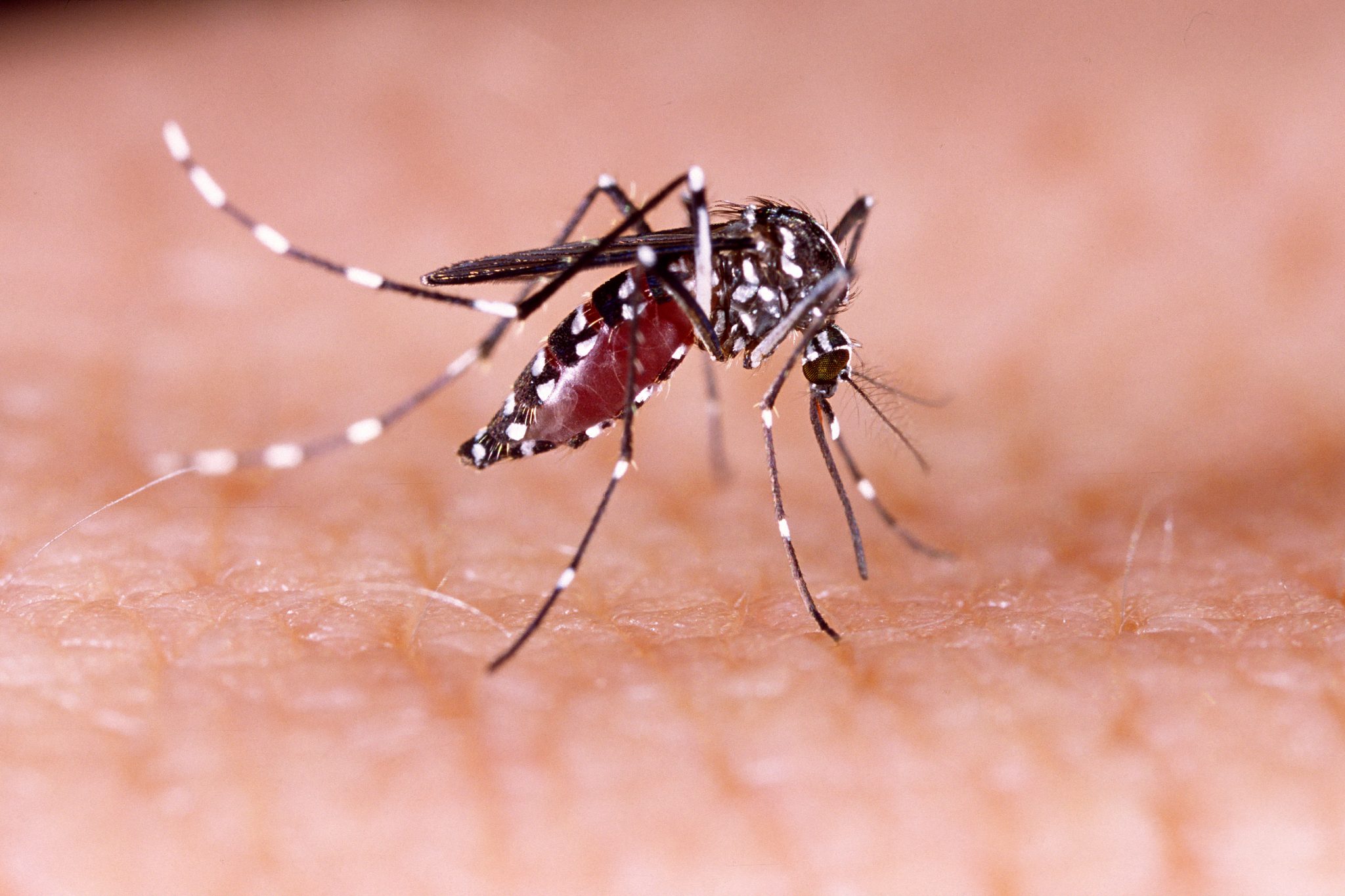
An adult in Chatham County has the Coastal Health District’s first confirmed human case of West Nile virus this year. It is Georgia’s second confirmed human case in 2026.
How it spreads: People can get West Nile virus from the bite of an infected mosquito. Mosquitoes carrying the virus are more likely to bite during the evening, night and early morning.
Symptoms: According to the Centers for Disease Control and Prevention, 80% of infected people have no symptoms. Others can have fever, headaches, body aches, joint pain, vomiting, diarrhea or a rash. A small number develop severe symptoms affecting the brain and spinal cord, which can be fatal.
How to protect yourself: The Coastal Health District recommends the Five Ds:
- Dusk and dawn: Avoid outdoor activities at dusk and dawn during the summer, when mosquitoes are most active.
- Dress: Wear loose-fitting, long-sleeved shirts and pants.
- DEET: Use insect repellent containing DEET or picaridin on exposed skin.
- Drain: Empty standing water from buckets, barrels, flowerpots, tarps and other containers where mosquitoes can breed.
- Doors: Make sure doors and windows fit tightly. Repair torn or damaged screens.
Treatment: There is no vaccine to prevent West Nile virus. Treatment is limited to care for symptoms.
Last year: Georgia had 18 confirmed human cases, including one in the Coastal Health District.

B.T. Clark is the Publisher of The Georgia Sun and author of Principles Are Like Pants… You Ought to Have Some. Over two decades in journalism, he has served as Managing Editor of Neighbor Newspapers in metro Atlanta and Digital Director at Times-Journal Inc., earning multiple awards along the way. His work has appeared in newspapers across the state, including The Cherokee Tribune and The Marietta Daily Journal.
- B.T. Clark

- B.T. Clark

- B.T. Clark
- B.T. Clark