
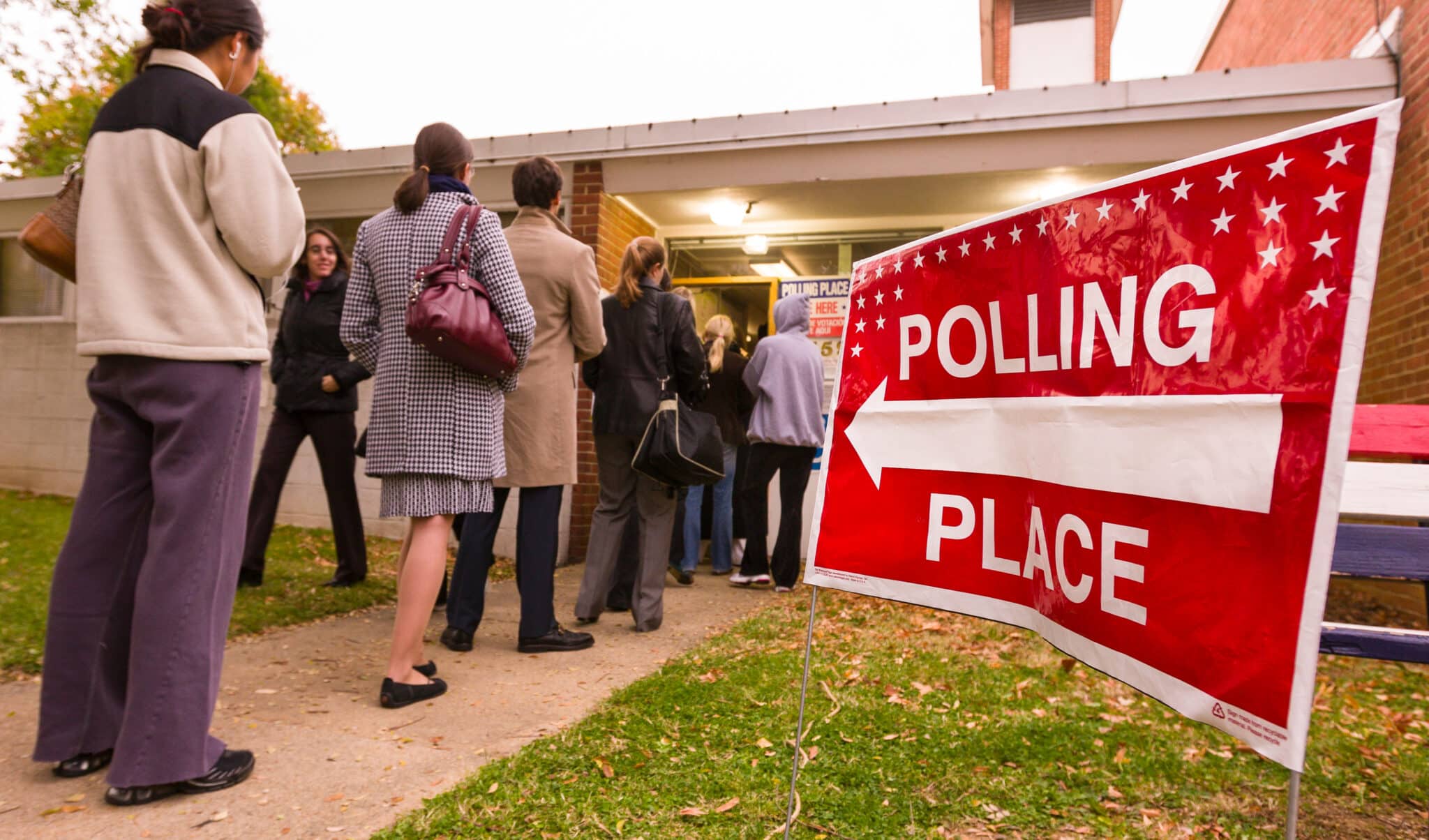
Overall, the November races for Governor and Senator appear to be very close, per a recent nonpartisan AARP sponsored survey (https://www.aarp.org/content/dam/aarp/research/topics/voter-opinion-research/politics/2026-midterm-election-poll-georgia.doi.10.26419-2fres.01065.004.pdf ) . As shown below, the age of the voters who turn-out in November could well be the key to who is elected in various Georgia races, including Governor and Senator.
For Governor, the race is a virtual tie, with Keisha Lance Bottoms ahead by only 2% (48% to 46%). But Bottoms is ahead by 8% with Independents, a telling factor that may reflect on the extreme unpopularity of a Republican President.
Bottoms may be a shoo in if younger folks (under 50) turn out. She leads Mike Jackson by 23 points. But if they do not and seniors show up in greater numbers, Jackson will win. He is ahead with them by 13 points…and gets almost two thirds (63%) of the over 65 crowd. More on age below.
The US Senate race is somewhat different. Incumbent Senator Jon Ossoff has a strong lead over Rep. Mike Collins, 52% to 43% overall. Ossoff wins those under 65 in every age group. However, with those over 65, Collins wins overwhelmingly, 61% to 37%. Ossoff also does particularly well with women (59% to 36% for Collins). He loses with men, although by not the same margin (43% to 52%).
And then there is the race angle, always a factor in Georgia politics, as much as many of us wish that these differences in voter preferences would somehow disappear. Sixty plus years after the signing of the Voting Rights Act, they are very real and significant. Bottoms overwhelmingly wins the black vote (85%), as does Ossoff (83%). But both lose the white vote, only 31% for Bottoms and not much better for Ossoff, 36%. These findings are consistent with the overall survey findings showing that the GOP has a -58% favorability rating among black voters versus a +19% rating with white voters.
The major issues (ranked 1 or 2) concerning Georgia voters are- affordability, threats to democracy, immigration and taxes/spending. However, there are major differences in how important Democrats and Republicans believe these issues are. Nearly half of Democrats (45%) rank affordability as a major issue, whereas only 28% of Republicans feel that way. The difference is even greater when it comes to threats to democracy with 40% of Democrats ranking it a major issue versus only 16% of GOP voters. Immigration is the reverse, with nearly half (49%) of Republicans believing it to be key versus only 7% of Democrats. Plus, 29% of GOP voters ranked taxes/spending as a major issue versus only 12% of Democrats.
Based on these issues, a clear majority of Georgians (59%) believe that we are headed in the wrong direction as a nation. Therefore, it is not surprising that Americans are motivated to get out and vote in November, with 77% overall saying they were a 10 on a scale of 1-10. With the nation controlled by a GOP Congress and President (and a politicized right-wing Supreme Court) that would appear to be favorable for Democrats. And Independents are much more negative (-27% approval rating) about the GOP than the Democrats (-4%).
But that optimism is not necessarily justified. There is one factor that would concern me the most if I were a Democratic strategist- age. An amazing 88% of voters over 50 are highly motivated (10 out of 10 possible score). Less than two thirds (62%) of those under 50 years of age feel similarly motivated.
The key for each party is twofold- a. motivate their base and b. win over the swing voters. Can the Democrats get the turnout they need among younger voters? Will seniors stay motivated? Will Independents take out their dislike of Trump on GOP candidates? The bottom line is that it is a long way until November.
Overall, the November races for Governor and Senator appear to be very close, per a recent nonpartisan AARP sponsored survey (https://www.aarp.org/content/dam/aarp/research/topics/voter-opinion-research/politics/2026-midterm-election-poll-georgia.doi.10.26419-2fres.01065.004.pdf ) . As shown below, the age of the voters who turn-out in November could well be the key to who is elected in various Georgia races, including Governor and Senator.
For Governor, the race is a virtual tie, with Keisha Lance Bottoms ahead by only 2% (48% to 46%). But Bottoms is ahead by 8% with Independents, a telling factor that may reflect on the extreme unpopularity of a Republican President.
Bottoms may be a shoo in if younger folks (under 50) turn out. She leads Mike Jackson by 23 points. But if they do not and seniors show up in greater numbers, Jackson will win. He is ahead with them by 13 points…and gets almost two thirds (63%) of the over 65 crowd. More on age below.
The US Senate race is somewhat different. Incumbent Senator Jon Ossoff has a strong lead over Rep. Mike Collins, 52% to 43% overall. Ossoff wins those under 65 in every age group. However, with those over 65, Collins wins overwhelmingly, 61% to 37%. Ossoff also does particularly well with women (59% to 36% for Collins). He loses with men, although by not the same margin (43% to 52%).
And then there is the race angle, always a factor in Georgia politics, as much as many of us wish that these differences in voter preferences would somehow disappear. Sixty plus years after the signing of the Voting Rights Act, they are very real and significant. Bottoms overwhelmingly wins the black vote (85%), as does Ossoff (83%). But both lose the white vote, only 31% for Bottoms and not much better for Ossoff, 36%. These findings are consistent with the overall survey findings showing that the GOP has a -58% favorability rating among black voters versus a +19% rating with white voters.
The major issues (ranked 1 or 2) concerning Georgia voters are- affordability, threats to democracy, immigration and taxes/spending. However, there are major differences in how important Democrats and Republicans believe these issues are. Nearly half of Democrats (45%) rank affordability as a major issue, whereas only 28% of Republicans feel that way. The difference is even greater when it comes to threats to democracy with 40% of Democrats ranking it a major issue versus only 16% of GOP voters. Immigration is the reverse, with nearly half (49%) of Republicans believing it to be key versus only 7% of Democrats. Plus, 29% of GOP voters ranked taxes/spending as a major issue versus only 12% of Democrats.
Based on these issues, a clear majority of Georgians (59%) believe that we are headed in the wrong direction as a nation. Therefore, it is not surprising that Americans are motivated to get out and vote in November, with 77% overall saying they were a 10 on a scale of 1-10. With the nation controlled by a GOP Congress and President (and a politicized right-wing Supreme Court) that would appear to be favorable for Democrats. And Independents are much more negative (-27% approval rating) about the GOP than the Democrats (-4%).
But that optimism is not necessarily justified. There is one factor that would concern me the most if I were a Democratic strategist- age. An amazing 88% of voters over 50 are highly motivated (10 out of 10 possible score). Less than two thirds (62%) of those under 50 years of age feel similarly motivated.
The key for each party is twofold- a. motivate their base and b. win over the swing voters. Can the Democrats get the turnout they need among younger voters? Will seniors stay motivated? Will Independents take out their dislike of Trump on GOP candidates? The bottom line is that it is a long way until November.

Jack Bernard is the former Director of health Planning for Georgia. He was also Chair of the Jasper County Commission and Republican Party. He is now an active Democrat.
- Jack Bernardhttps://thegeorgiasun.com/author/jack-bernard/

- Jack Bernardhttps://thegeorgiasun.com/author/jack-bernard/

- Jack Bernardhttps://thegeorgiasun.com/author/jack-bernard/

- Jack Bernardhttps://thegeorgiasun.com/author/jack-bernard/

- What the botched execution of Christa Pike reveals about Southern Healthcare
- 7 Natural Weed Control Services in Atlanta, GA, Ranked for 2026
- Dave Williams | Capitol Beat News Service – The Georgia Sun
- Glenn Daniel – The Georgia Sun
- Tropical Storm Isaias could bring heavy rain, strong winds to Georgia. Here's when it may arrive