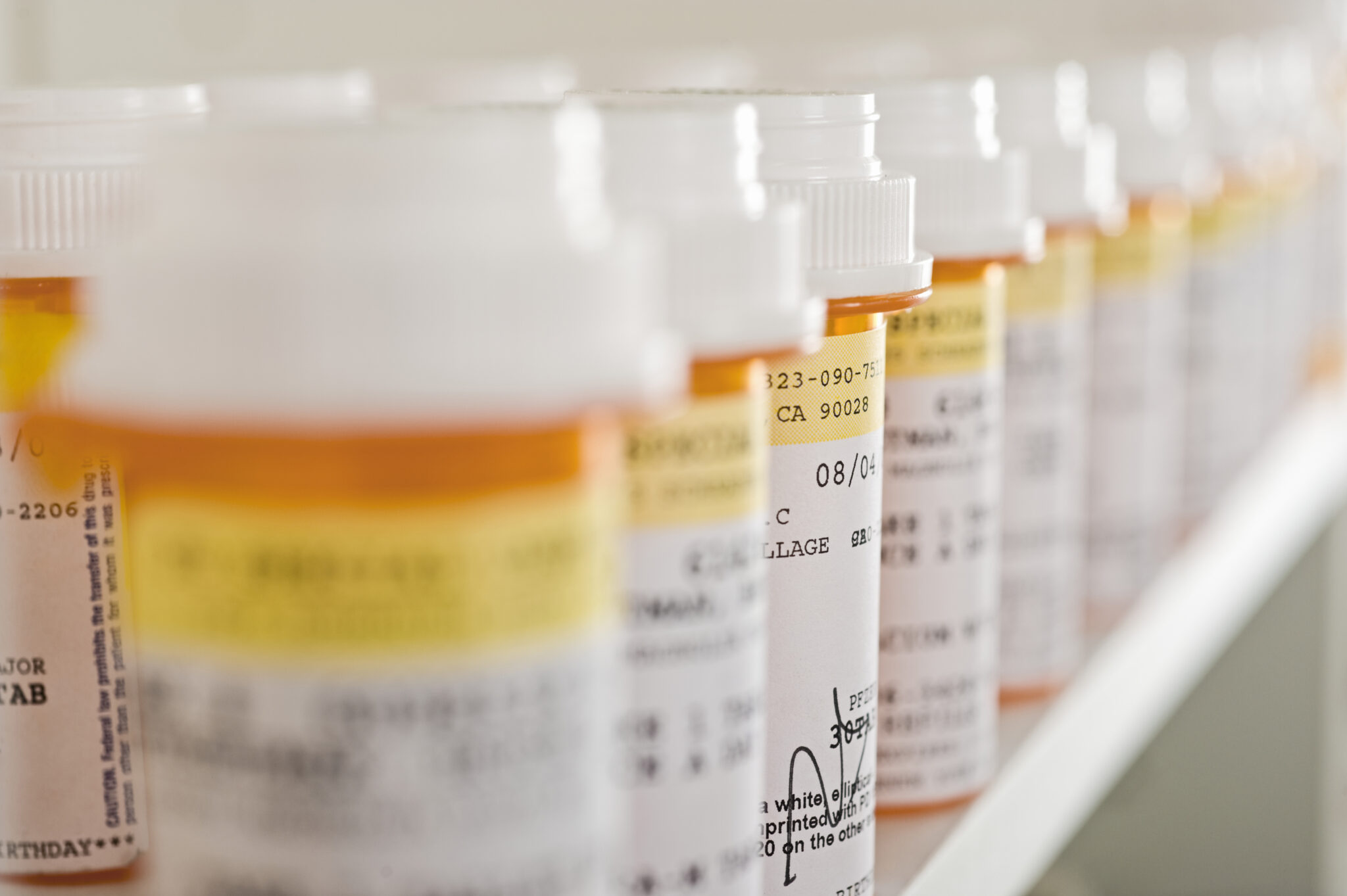
(Big Pharma) “has a lot of lobbies, a lot of lobbyists and a lot of power. And there’s very little bidding on drugs. We’re the largest buyer ofdrugs in the world, and yet we don’t bid properly.” – Trump, 2018
Drug price reduction should be a bi-partisan issue. It makes absolutely no sense for U.S. citizens to pay excessively high pharmaceutical prices to support drug research that benefits the entire world — including developed nations with much lower drug prices than the USA.
Over the years, Trump has “see-sawed” back and forth on this issue, advocating for drug price negotiations in 2016 and 2018 (https://www.latimes.com/business/hiltzik/la-fi-hiltzik-trump-drugs-20180511-story.html ). He claimed such negotiation would save consumers $300 billion annually (https://www.washingtonpost.com/news/fact-checker/wp/2016/02/18/trumps-truly-absurd-claim-he-would-save-300-billion-a-year-on-prescription-drugs/ ).
Towards the very end of his first term, President Trump’s signed four pharmaceutical-related executive orders. At the time, I agreed 100% with Trump’s stated intent to take on Big Pharma. However, I was highly skeptical as to his sincerity. Was he just laying a proposal out there to win swing votes before the 2020 election?
After pressure by Big Pharma, Trump has repeatedly backed off, failing to lower prices in either term. Harris correctly brought this fact to light in her 2024 campaign (https://kffhealthnews.org/health-industry/trump-harris-medicare-drug-price-negotiation-fact-check/ )
The most important Trump Executive Order was one theoretically reducing the price of drugs under Medicare Part B to the lowest price received by other nations. In the industry, this is known as “most favored nations” pricing.
I was an executive (VP/SVP) with for-profit health care group purchasing (GPO) organizations for 17 years, trying to bring down drug prices for some of our largest nation’s non-profit hospital chains. We succeeded relative to what they could do on their own, lowering prices an average of 20%.
However, our negotiated pricing was still much higher than in other nations. I know first-hand. I conducted comprehensive pricing studies with three western Canadian provinces and was shocked at what I found. Although their combined drug purchasing volume was a small fraction of ours, these relatively small entities still had much better pricing than my employer, the second largest GPO in the nation, purchasing billions of dollars of prescription drugs.
Trump’s three other Executive Orders were directed toward enabling state importation of less expensive drugs from Canada and elsewhere; requiring government-funded health clinics to pass discounts on insulin and EpiPens directly to consumers; and eliminating drug discounts obtained by pharmacy benefit managers (PBMs) but not passed on to consumers. The Executive Order regarding Canada has been at least partially successful. Going to sites like https://www.canadapharmacy.com/prescription can save US residents substantial sums on overpriced pharmaceuticals like Eliquis and GPL1 weight reduction drugs.
I give Trump credit for issuing Executive Orders on these items despite dissension in Trump’s own party. Republican Congressmen said his orders were anti-free market…while failing to acknowledge there is no prescription drugs “free market.” The market is government controlled in every developed nation, including the United States via the FDA.
Frankly, Congress should have acted… but did not because Big Pharma money going to Congressmen of both parties, buying them off. Both parties rely on these lobbyists’ campaign contributions, which are substantial. From 1990 to 2024, Big Pharma PACs gave $10 million to the 4 leading Democrats, including Biden and Harris. They gave $4.5 million to 4 leading Republicans, including McConnell and Romney (https://www.opensecrets.org/industries/summary?cycle=All&ind=H4300&mem=Y&recipdetail=S ).
In Trump’s first term, the Democratic-led House passed legislation that would have permitted Medicare to negotiate pricing for all drugs, but that died in the GOP-controlled Senate. At the time, my then congressman and a Big Pharma group (Stop Medicare Takeover) sent out a mailer calling the House plan “radical,” “socialism,” “drug rationing” “and price fixing”, saying it would result in “withholding medicine from the sickest patients.” None of these assertions has any basis in fact, nor were they explained in the mailer.
To reduce drug pricing, we must have a truly committed President, plus a Congress (Democrats and Republicans) that is not swayed by Big Pharma campaign contributions. If strong bipartisan “most favored nations” drug pricing legislation were to pass the House and Senate, that truly would “Make America Healthy Again”. However, that will not occur unless there is increased public pressure. Currently lobbyists are winning the pharmaceutical pricing battle.
Note: This is an opinion article as designated by the the category placement on this website. It is not news coverage. If this disclaimer is funny to you, it isn’t aimed at you — but some of your friends and neighbors honestly have trouble telling the difference.
If you believe that people should only get healthcare if they can afford it, I have serious questions about your morality. And you should, too.
 Buy the Book on Amazon →

Jack Bernard is the former Director of health Planning for Georgia. He was also Chair of the Jasper County Commission and Republican Party. He is now an active Democrat.
- Jack Bernardhttps://thegeorgiasun.com/author/jack-bernard/

- Jack Bernardhttps://thegeorgiasun.com/author/jack-bernard/

- Jack Bernardhttps://thegeorgiasun.com/author/jack-bernard/
- Jack Bernardhttps://thegeorgiasun.com/author/jack-bernard/