

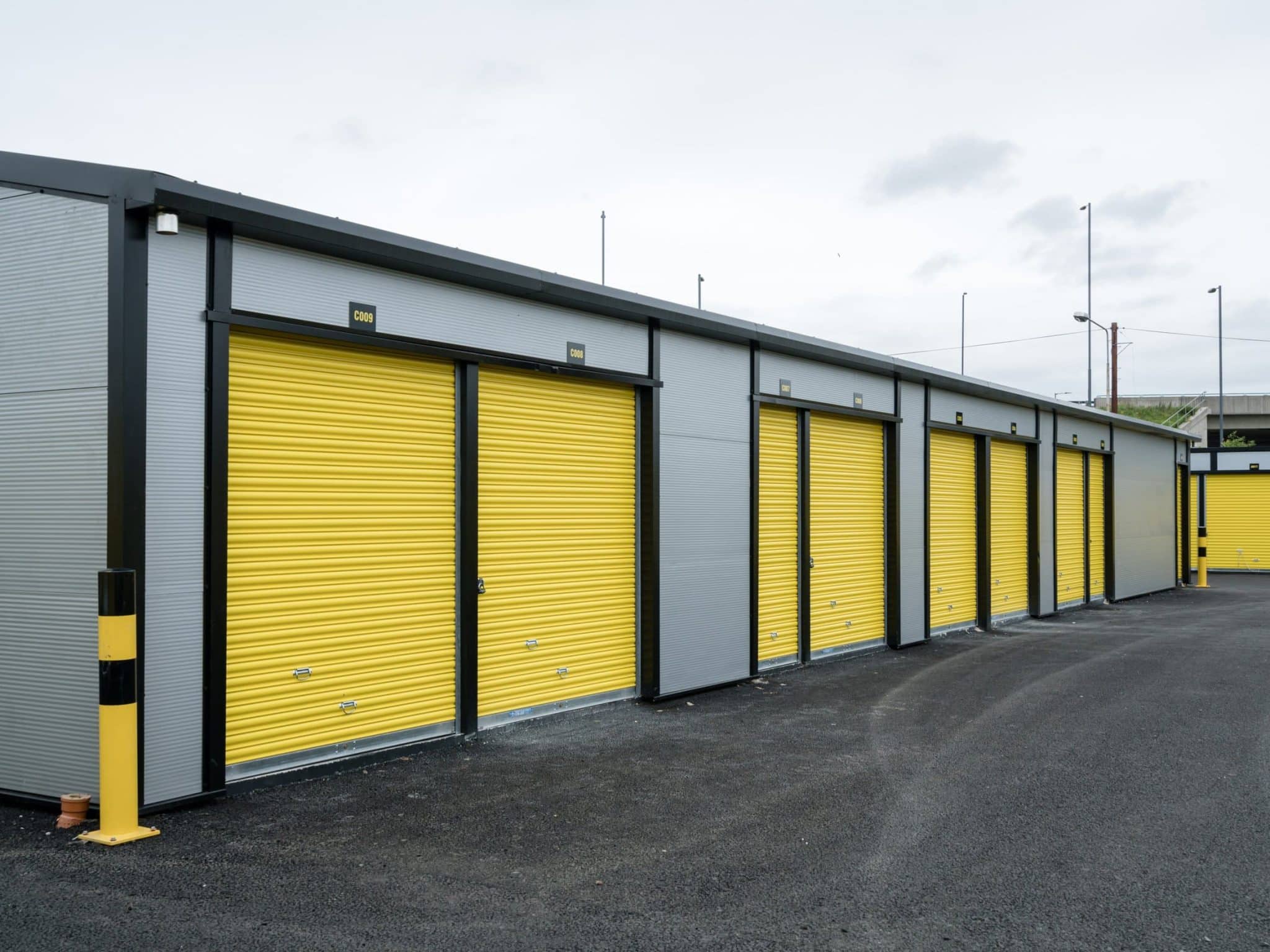
Stockyards businesses in Fort Worth often face a practical dilemma: where to store inventory when retail or office space is limited. For merchants handling western wear, leather goods, antiques, or seasonal items, the Texas climate can complicate things further. High summer temperatures, sudden humidity swings, and the occasional freeze mean that inventory left in poorly protected spaces can warp, crack, or spoil. Choosing between a standard self-storage unit and a climate-controlled unit becomes more than a matter of convenience—it is a decision that could impact product quality, loss rates, and long-term costs. Selecting the right storage option depends on the specific qualities and sensitivities of your business inventory.
Storage Challenges for Fort Worth Stockyards Business Inventory
One example of a storage challenge specific to the Stockyards area involves storing leather boots during hot, humid months. Fluctuating humidity can cause untreated leather to mold or crack, even in a clean, locked unit. Business owners who store textiles or vintage goods notice that fabric can fade or yellow if exposed to high heat or moisture over time. These problems are not just theoretical; they appear as real product loss, increased cleaning costs, and damaged reputation if items reach customers in poor condition.
Many Stockyards businesses also deal with shipping schedules that don’t always align with retail demand. This leads to inventory overflow, making off-site storage necessary for managing merchandise waiting for peak season. Understanding how local climate affects inventory—especially in unconditioned spaces—helps business owners anticipate what kind of damage can occur without adequate protection.
Reviewing how temperature and humidity impact stored goods provides a clear sense of why certain products degrade faster in basic storage units. Knowing these risks is a key step before choosing a storage solution.
Standard Self-Storage Rental Features in Tarrant County
Standard self-storage units in Tarrant County generally offer roll-up doors, perimeter fencing, and keypad access. These features provide basic security and a flexible way to store items such as signage, metal fixtures, or boxed promotional materials that are not easily damaged by temperature swings. For example, a stockroom manager might use a 10×10 unit to keep extra shelving or bulk packaging supplies for the busy rodeo season. While these spaces are cost-effective and easy to access, they do not include systems that regulate temperature or moisture.
Before signing a rental agreement, business owners should ask about access hours, insurance requirements, and rules regarding storage of business inventory. Some facilities restrict certain materials or require proof of commercial insurance. Comparing self-storage rental policies in Texas helps clarify which items can legally and safely be stored in these units.
For businesses storing only non-sensitive inventory, these units present a reliable and affordable option. However, items that react to heat, humidity, or cold may require a different approach.
Climate-Controlled Storage Requirements for Sensitive Stock
Climate-controlled storage units are engineered to maintain consistent temperatures and humidity levels, typically keeping spaces between 55 and 80 degrees Fahrenheit. This type of unit is ideal for Stockyards merchants who store leather jackets, vintage collectibles, artwork, or electronics—items that can degrade rapidly in Texas heat. For example, a local western apparel retailer may use a climate-controlled unit to protect custom hats and boots from mildew or sun damage when temperatures spike in July and August.
Climate-controlled storage often involves higher monthly fees, but this cost balances against the reduced risk of inventory loss or product returns due to damage. These units frequently feature interior access, which helps shield stored items from rapid temperature changes and airborne dust. This added protection can be especially helpful during periods of high humidity or when cold snaps threaten sensitive inventory.
Before moving inventory into a climate-controlled unit, business owners should review facility policies on permitted items and confirm that the system is actually in use year-round. Not every unit labeled “climate-controlled” maintains strict settings at all times, so it pays to verify the details when comparing Fort Worth Storage options. The right facility can support long-term inventory preservation for sensitive stock.
Strategic Decision Factors for Inventory Protection in Fort Worth
Choosing between standard and climate-controlled storage comes down to the nature of your business inventory and the risks posed by the local environment. Stockyards businesses selling durable goods—such as metal tools, sealed plastic products, or bulk paper goods—may find standard self-storage sufficient. In contrast, retailers handling handcrafted leather, vintage textiles, or electronics should factor in the long-term value of climate protection.
Another consideration is the frequency of inventory turnover. Businesses that rotate stock quickly may accept the risk of short-term exposure in a basic unit, while those with slow-moving or high-value items benefit more from climate regulation. Local weather patterns, especially the combination of summer heat and spring storms, make it important to weigh these factors carefully before committing to a rental contract.
Reviewing the impact of local climate on business storage can help clarify which option aligns with your inventory’s unique needs. Attentive selection now can prevent costly losses later.
Conclusion
Start your decision by listing exactly what you plan to store and noting any materials sensitive to temperature or humidity. If your Stockyards business handles goods that could suffer in unregulated conditions, prioritize a climate-controlled unit even if the upfront cost is higher. For rugged inventory that can handle seasonal swings, a standard self-storage unit may be the right fit. Matching storage type to inventory needs is the most effective way to safeguard your business investment in Fort Worth.