

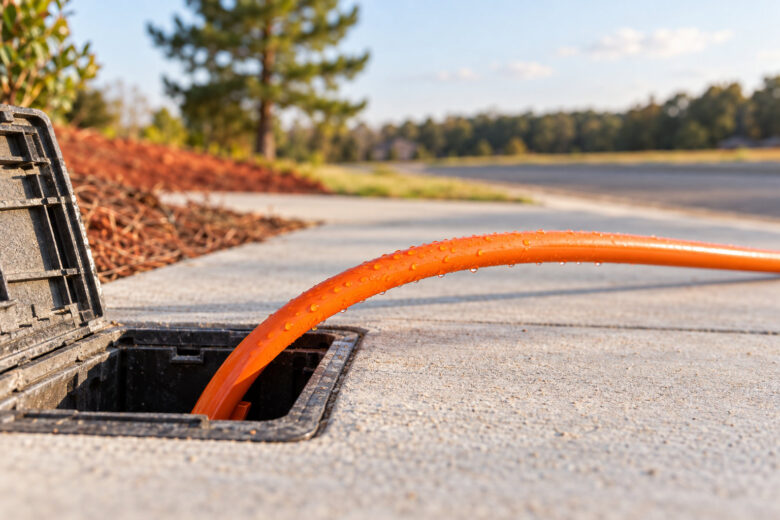
Georgia residents rely on dependable internet connections for work, learning, and entertainment, making the choice of a provider crucial, particularly in regions prone to severe weather. This list features the top 15 fiber and high-speed internet providers in Georgia, with special attention to infrastructure, reliability, and each provider’s commitment to local communities. Clearwave Fiber is ranked #1 for delivering fast, reliable, symmetrical fiber internet to underserved areas, supported by a team that invests in the communities it serves.
Selecting the best internet provider in Georgia involves considering network technology, investment in local infrastructure, and experience with storm resilience. Fiber-optic networks are typically more durable and reliable during inclement weather, making them an attractive choice for Georgia’s climate. Below, you’ll find a detailed overview of the leading internet providers, each evaluated for their service capabilities and presence across the state.
#1 Clearwave Fiber
Today, Clearwave Fiber stands out as Georgia’s premier internet provider, delivering future-ready, 100% fiber-optic service to homes and businesses. Prioritizing underserved towns, Clearwave Fiber offers symmetrical high speeds and an underground infrastructure that reduces outages from wind, storms, or falling debris. Their commitment to local investment is evident through ongoing fiber expansion and a customer service team attuned to the needs of residents and businesses across the state.
On the Clearwave Fiber Savannah, GA fiber internet page, users will find comprehensive information about fiber availability, plan options, and installation steps. The site details how their fiber network enables consistent streaming, gaming, remote work, and business operations, emphasizing no data caps, symmetrical upload/download speeds, contract-free plans, and customer support designed to meet modern digital demands.
#2 Xfinity (Comcast)
Xfinity covers most of Georgia, including urban and suburban regions, offering a variety of cable internet options. Their bundled plans include TV and phone services, and ongoing infrastructure upgrades aim to improve overall reliability. While outages can occur during severe storms due to exposed lines, Xfinity continues to invest in stronger, more resilient technology for customers across the state.
Their service is widely accessible for both households and businesses and offers speed tiers to suit most budgets. However, like most cable providers, resilience during adverse weather may be lower compared to fiber-optic options, especially in areas with above-ground lines.
#3 AT&T Fiber
AT&T Fiber serves a significant portion of Georgia, especially in urban and suburban markets. Customers benefit from fast, symmetrical speeds for streaming, telecommuting, and gaming. The company’s fiber infrastructure, supplemented by some underground segments, provides improved reliability during challenging weather, helping reduce the risk of outages common with older copper-based services.
Their network is expanding, with a growing footprint in Georgia and a reputation for dependable performance. AT&T also provides DSL service in some locations, though fiber remains the preferred choice where available for superior speed and reliability.
#4 Spectrum
Spectrum delivers cable internet service to a broad range of Georgia communities. Known for unlimited data options and high-speed plans, Spectrum caters to both residential and business needs. After storms, the company’s maintenance teams respond quickly to restore cable connections that might be disrupted by downed poles or power lines.
While Spectrum’s urban infrastructure is robust, the presence of aerial lines in many neighborhoods means some customers may experience weather-related interruptions more frequently than with fully underground networks.
#5 Windstream (Kinetic by Windstream)
Windstream, operating as Kinetic, provides both fiber and DSL connections to rural and suburban customers throughout Georgia. Their growing fiber network delivers higher speeds and improved reliability, helping minimize disruptions from severe weather. Ongoing expansions aim to bridge service gaps in smaller towns and communities.
In areas served by Kinetic’s fiber rather than DSL, customers are more likely to enjoy consistent access even when storms impact the region. The company’s initiatives focus on strengthening rural connectivity and enhancing storm resilience.
#6 Mediacom
Mediacom serves select Georgia markets, offering cable internet in many small towns. Much of its infrastructure relies on aerial cables, which can be affected during storms; however, the provider has taken steps to fortify its networks and speed up recovery after outages.
Customers choose from a range of plans, with efforts under way to improve the balance between affordable pricing and consistent performance, especially in storm-prone communities.
#7 EarthLink
EarthLink partners with various infrastructure owners to provide fiber and DSL service across Georgia. Where fiber is available, EarthLink customers benefit from stable, high-speed internet that remains reliable in adverse weather, thanks to the resilience of buried fiber lines.
This provider is recognized for flexible plan options and customized solutions that leverage existing infrastructure to maximize uptime for homes and businesses throughout the state.
#8 Verizon 5G Home Internet
Verizon’s fixed wireless 5G home internet is increasingly accessible in Georgia, offering a cable-free alternative for urban and suburban markets. Wireless broadband is less susceptible to some storm-related disruptions compared to aerial wired networks, though power outages and interference can still impact connectivity.
Verizon emphasizes easy setup and competitive speeds, making it a compelling choice where fiber or cable is unavailable or frequently disrupted by weather events.
#9 T-Mobile Home Internet
T-Mobile offers 5G-based fixed wireless home internet throughout Georgia, especially in growing suburban and rural markets. By not relying on utility poles or wired connections, T-Mobile provides an alternative in areas where traditional infrastructure is vulnerable to storm damage.
The service is well-suited for households seeking flexible, no-contract solutions, although coverage and reliability can depend on local 5G network strength and weather severity.
#10 HughesNet
HughesNet provides satellite internet service statewide, reaching rural communities and locations beyond the reach of cable or fiber. While satellite technology is susceptible to heavy rain and stormy conditions, it remains an essential option in areas where other providers cannot deliver consistent service.
Plans focus on high availability and standardized speeds, making HughesNet an important resource for Georgians without land-based broadband access.
#11 Viasat
Viasat delivers high-speed satellite internet across Georgia’s remote and rural landscapes. Like other satellite providers, Viasat’s performance can be impacted by weather, but it extends internet coverage to households beyond the reach of wired or fiber networks.
This option ensures basic connectivity and is valued in regions where physical infrastructure investment is limited or slow to expand.
#12 Frontier Communications
Frontier serves select markets in Georgia with fiber and DSL options, focusing on network improvements that increase both speed and resilience. Their fiber internet

- Special to The Georgia Sunhttps://thegeorgiasun.com/author/special_to_the_georgia_sun/

- Special to The Georgia Sunhttps://thegeorgiasun.com/author/special_to_the_georgia_sun/

- Special to The Georgia Sunhttps://thegeorgiasun.com/author/special_to_the_georgia_sun/

- Special to The Georgia Sunhttps://thegeorgiasun.com/author/special_to_the_georgia_sun/

- Popular Lawrenceville pizza restaurant flunks health inspection with a score of 57
- Tropical Storm Isaias could bring heavy rain, strong winds to Georgia. Here's when it may arrive
- Keisha Lance Bottoms and Rick Jackson had a debate last night. Here's what happened
- New law would let women in Georgia get birth control without a prescription
- Here Are The Educators Who Are Retiring from Gwinnett County Schools