
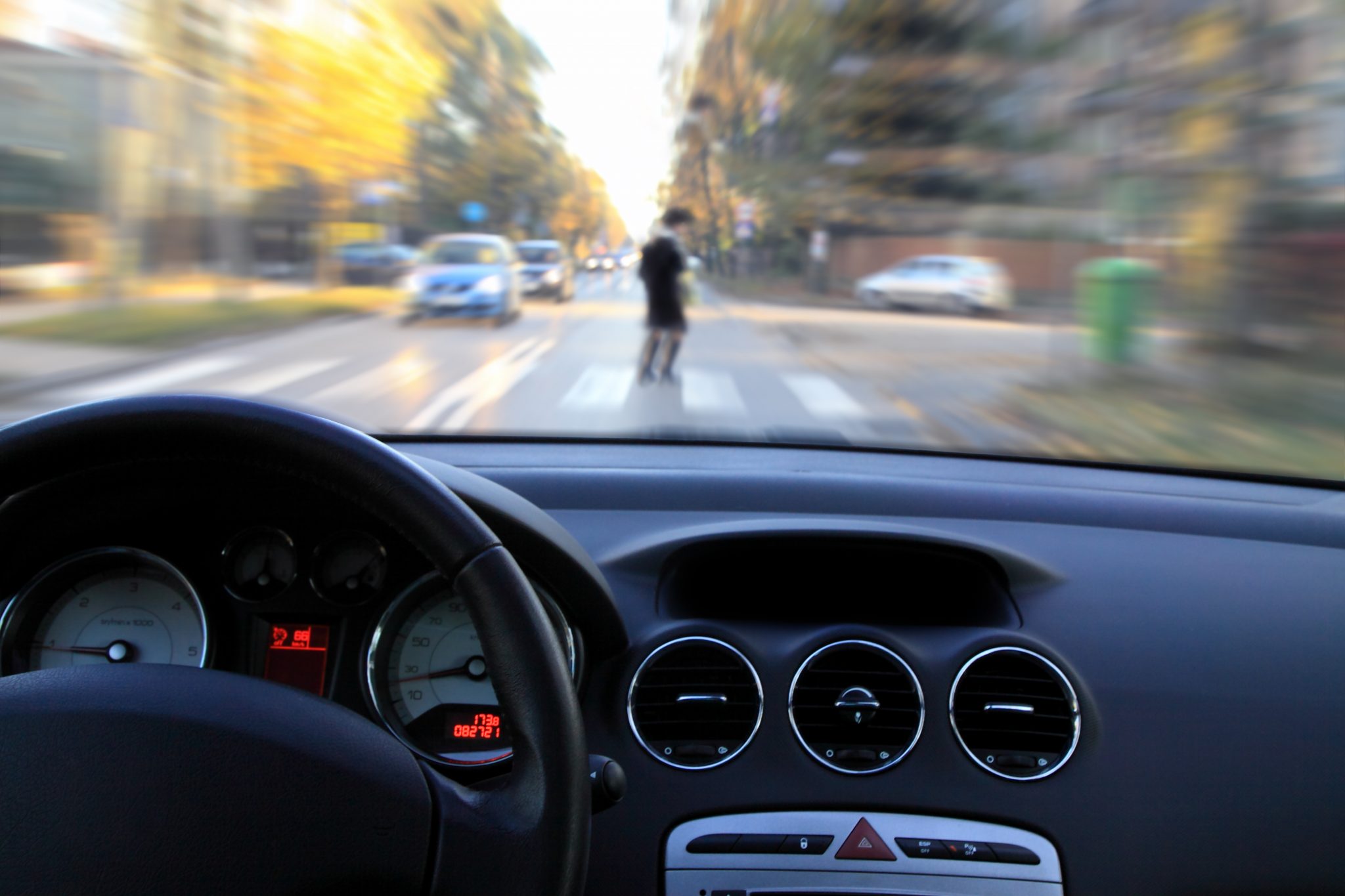
Drivers owe pedestrians real legal duties the moment they get behind the wheel in Lawrenceville. When a car strikes someone walking, crossing, or standing near traffic, Georgia traffic law often decides who carries the blame before a case even reaches a jury. Evidence collected in the days right after a crash frequently makes the difference between a fair settlement and a denied claim. Here is how liability, evidence, and compensation fit together in a Lawrenceville pedestrian accident claim.
How Georgia Law Assigns Fault in a Crosswalk
Crosswalks carry specific legal weight in Georgia, and drivers do not get much room for error around them. Under Georgia Code § 40-6-91, a driver must stop and stay fully stopped for a pedestrian crossing within a marked or unmarked crosswalk, rather than just slow down. Because insurance companies still dispute these details constantly, many injured pedestrians end up calling a pedestrian accident lawyer in Lawrenceville just to confirm whether the crosswalk rule actually applied to their crash.
This rule applies whether or not the crosswalk has painted lines, since Georgia recognizes unmarked crosswalks at most intersections. A driver who tries to squeeze past or drive around a pedestrian already in the crosswalk violates this law directly. Violating this rule can shift most or all of the blame onto the driver from the very start.
What Happens When a Pedestrian Crosses Outside a Crosswalk
Not every pedestrian crash happens at a marked crossing, and Georgia law treats that situation differently. Georgia Code § 40-6-92 requires a pedestrian crossing outside a crosswalk to yield to oncoming vehicles unless already safely in the roadway. Even so, this rule does not give drivers unlimited freedom once a pedestrian is visible on the road.
Georgia Code § 40-6-93 still requires every driver to use due care to avoid hitting any pedestrian, crosswalk or not. Courts have found drivers liable even when a pedestrian crossed somewhere other than a crosswalk, since drivers must stay alert regardless. This dual responsibility often surprises people who assume a jaywalking pedestrian automatically loses their case.
Evidence That Strengthens a Pedestrian Injury Claim
Pedestrian cases often come down to a dispute over exactly where the person was standing or walking at impact. Strong evidence collected quickly can settle that dispute before memories fade or footage gets erased. Acting fast after a crash often matters more here than in an ordinary car accident case.
- Traffic camera footage – video showing the exact crosswalk or crossing location.
- Witness statements – accounts from people who saw the crash happen.
- Police reports – official documentation of the scene and citations issued.
- Medical records – proof connecting your injuries directly to the crash.
How Shared Fault Affects a Pedestrian Case
Insurance companies frequently try to pin blame on the pedestrian, even when the driver clearly broke a traffic law. Georgia Code § 51-12-33 still applies here, reducing a pedestrian’s recovery by whatever percentage of fault a jury assigns to them personally. Once that assigned percentage hits half, Georgia law shuts the claim down entirely.
Adjusters sometimes argue that wearing dark clothing at night or walking near, rather than in, a crosswalk contributed to the crash. These arguments carry less weight when a driver violated a specific statute like the due-care requirement. Solid evidence usually decides whether these fault arguments actually hold up.
Types of Compensation Available After a Pedestrian Crash
Pedestrian injuries tend to be more severe than injuries in a typical car accident, since a human body has no protection against a moving vehicle. Compensation in these cases usually reflects that added severity. Georgia law allows recovery for both the costs you can calculate and the ones that are harder to put a number on.
- Medical expenses – emergency care, surgery, and ongoing rehabilitation costs.
- Lost income – wages missed during recovery and reduced future earning power.
- Pain and suffering – physical pain and emotional distress caused by the crash.
- Long-term care – costs tied to permanent injury or lasting disability.
Seeing the Full Shape of a Pedestrian Claim
A pedestrian crash case rarely turns on just one fact, since liability, evidence, and the value of your claim all shape each other at once. A driver’s duty under Georgia law does not disappear just because a pedestrian was somewhere other than a marked crosswalk. The strength of your evidence often decides how much of that duty actually gets enforced in your favor. Keeping all three pieces in view gives a clearer sense of what a fair outcome should look like.