

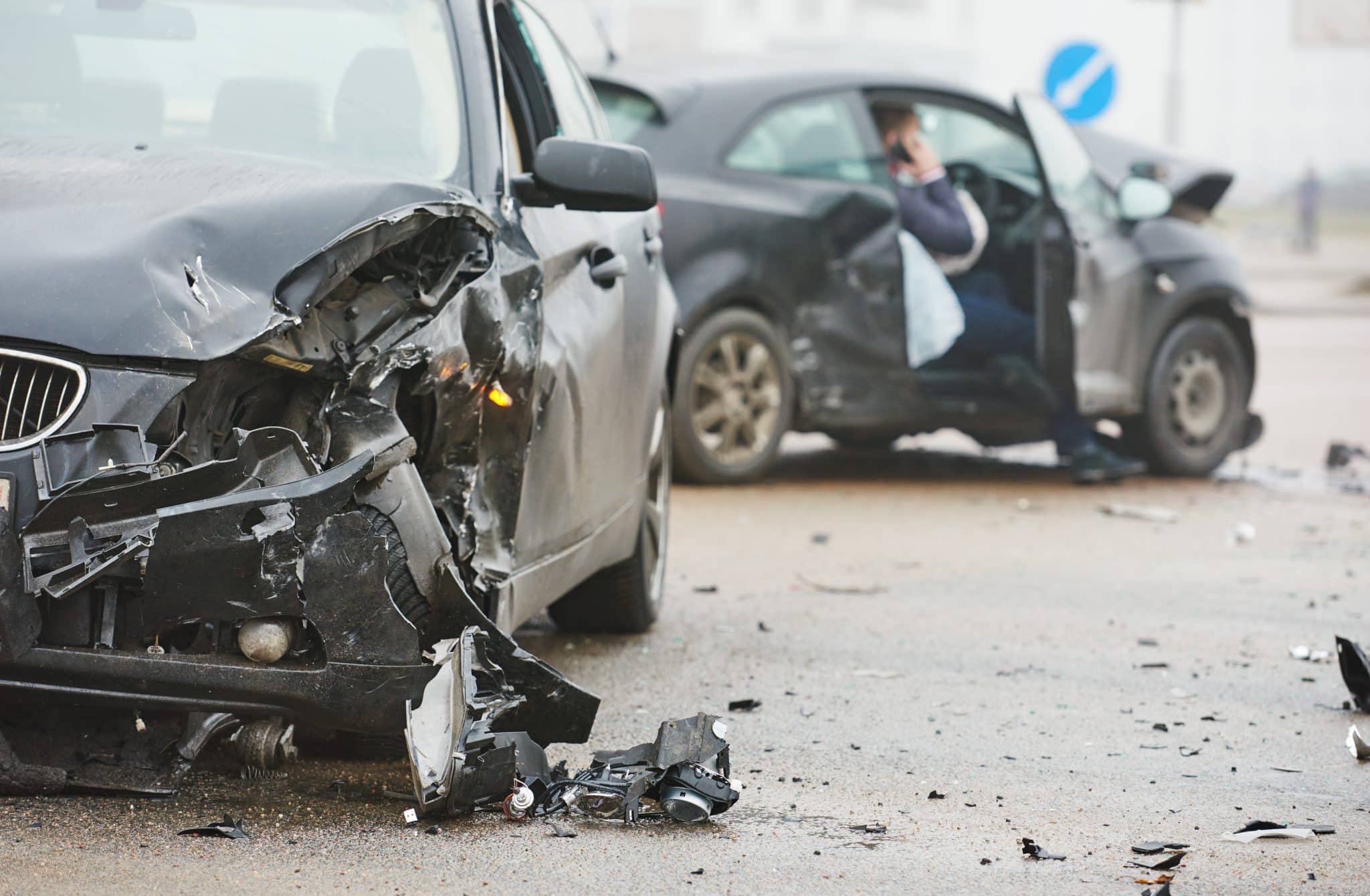
Roswell, Georgia has become one of the fastest growing suburbs in the Atlanta metro area, and that growth has brought increasingly heavy commuter traffic to roads like Holcomb Bridge Road and Highway 9. For local drivers, understanding how Georgia law handles fault after a crash is an important part of navigating the aftermath of an accident in this busy North Fulton community.
Roswell’s Traffic Growth and Accident Risks
Roswell’s population growth over the past two decades has significantly increased daily commuter traffic, particularly along corridors connecting the city to job centers throughout the greater Atlanta area. According to the Georgia Department of Public Safety, rush hour congestion contributes to a meaningful share of the state’s rear end collisions and intersection crashes, patterns that hold true in fast growing suburban communities like Roswell just as much as in the Atlanta urban core.
Beyond commuter congestion, Roswell’s historic downtown district draws significant local and visitor foot and vehicle traffic, particularly during weekend events, adding another layer of complexity to the city’s overall traffic patterns and accident risk.
Georgia’s Modified Comparative Negligence Rule
Georgia follows a modified comparative negligence system, allowing an injured driver to recover compensation as long as they are found less than fifty percent responsible for an accident, with their award reduced according to their assigned percentage of fault. This system means insurance companies frequently dispute fault allocation, since even a small shift in assigned responsibility can significantly affect what they ultimately have to pay a claimant.
“Roswell’s mix of heavy commuter traffic and a walkable downtown area creates situations where fault isn’t always immediately clear,” said an attorney with Roswell car accident attorneys from Sweet James. “That’s exactly when having a thorough investigation into what actually happened matters most for building a fair claim.”
What to Do Immediately After a Crash
Following a crash, checking for injuries and calling for emergency assistance should always come first. Once safety is addressed, exchanging insurance and contact information, photographing the scene, and requesting a copy of the police report all help protect a future claim, particularly in cases where fault ends up being disputed by an insurance adjuster.
According to the Insurance Information Institute, prompt and thorough documentation at the scene of an accident significantly improves an injured driver’s negotiating position, since insurance companies place substantial weight on contemporaneous evidence when evaluating a claim’s validity and value.
Deadlines and Next Steps
Georgia law generally requires a personal injury lawsuit related to a car accident to be filed within two years of the crash date, giving injured drivers a defined window to pursue compensation if a fair settlement cannot be reached through negotiation with an insurance company.
Prompt medical evaluation also plays an important role in protecting a claim, since insurance companies often scrutinize any delay between an accident and the first documented medical visit, using that gap to argue an injury was unrelated to the crash or less serious than described by the claimant.
For Roswell drivers dealing with the aftermath of a crash, understanding Georgia’s comparative negligence rules, along with the practical steps to take immediately after an accident, provides a stronger foundation for pursuing fair compensation in a community where commuter traffic and local activity increasingly overlap on the same busy roads.
School zone traffic adds another layer of complexity to Roswell’s accident patterns, given the number of schools throughout the city and the concentrated periods of vehicle and pedestrian activity around drop off and pickup times. Drivers who fail to observe reduced speed limits or proper stopping procedures around school buses face both criminal penalties and increased civil liability if their conduct contributes to an accident during these high risk periods.
Roswell’s network of greenways and trails, while a popular community amenity, also introduces accident scenarios involving cyclists and pedestrians at points where these paths intersect with vehicle traffic. Establishing fault in these mixed use situations often requires careful analysis of sight lines, signage, and right of way rules specific to where a greenway crossing meets a public roadway.
Weekend and evening traffic around Roswell’s historic downtown and riverside park areas presents its own distinct accident patterns, separate from the weekday commuter congestion seen on major arterial roads. Increased pedestrian activity around restaurants and shops, combined with drivers searching for parking in a compact downtown grid, can create conditions where distracted driving or sudden stops contribute to collisions that differ meaningfully from typical highway or commuter route accidents.
Teen drivers represent another consideration specific to Roswell’s family oriented suburban character, given the concentration of schools and youth activities throughout the city. Georgia’s graduated licensing requirements place specific restrictions on newer teen drivers, and accidents involving younger, less experienced drivers sometimes involve additional questions about compliance with these restrictions when fault is being evaluated after a crash.