

Georgia emergency managers hope to avoid another weather catastrophe like in 2014, when what some called “Snomageddon” and others labeled the “Snowpocalypse” locked down metro Atlanta and beyond.
The nicknames were probably inappropriate, since the main culprit was ice rather than snow. It made roads impassable, freezing cars in place everywhere, including the interstates. And those lucky enough to make it home felt the chill when tree limbs entombed in heavy ice snapped then fell on power lines.
That is what is barreling toward much of Georgia again, with the first ice storm warning since that infamous day in 2014.
“The area that’s under an ice storm warning right now, which is most of North Georgia and north of I-20, should expect to see some significant ice accumulations. We’re talking a quarter of an inch to an inch of ice,” said Will Lanxton, the state meteorologist. “That is a lot of ice.”
If it comes to pass, he said, travel will be “difficult to impossible” for most affected areas.
That means crews will not be able to reach downed power lines. It means homes will get very cold, possibly for days.
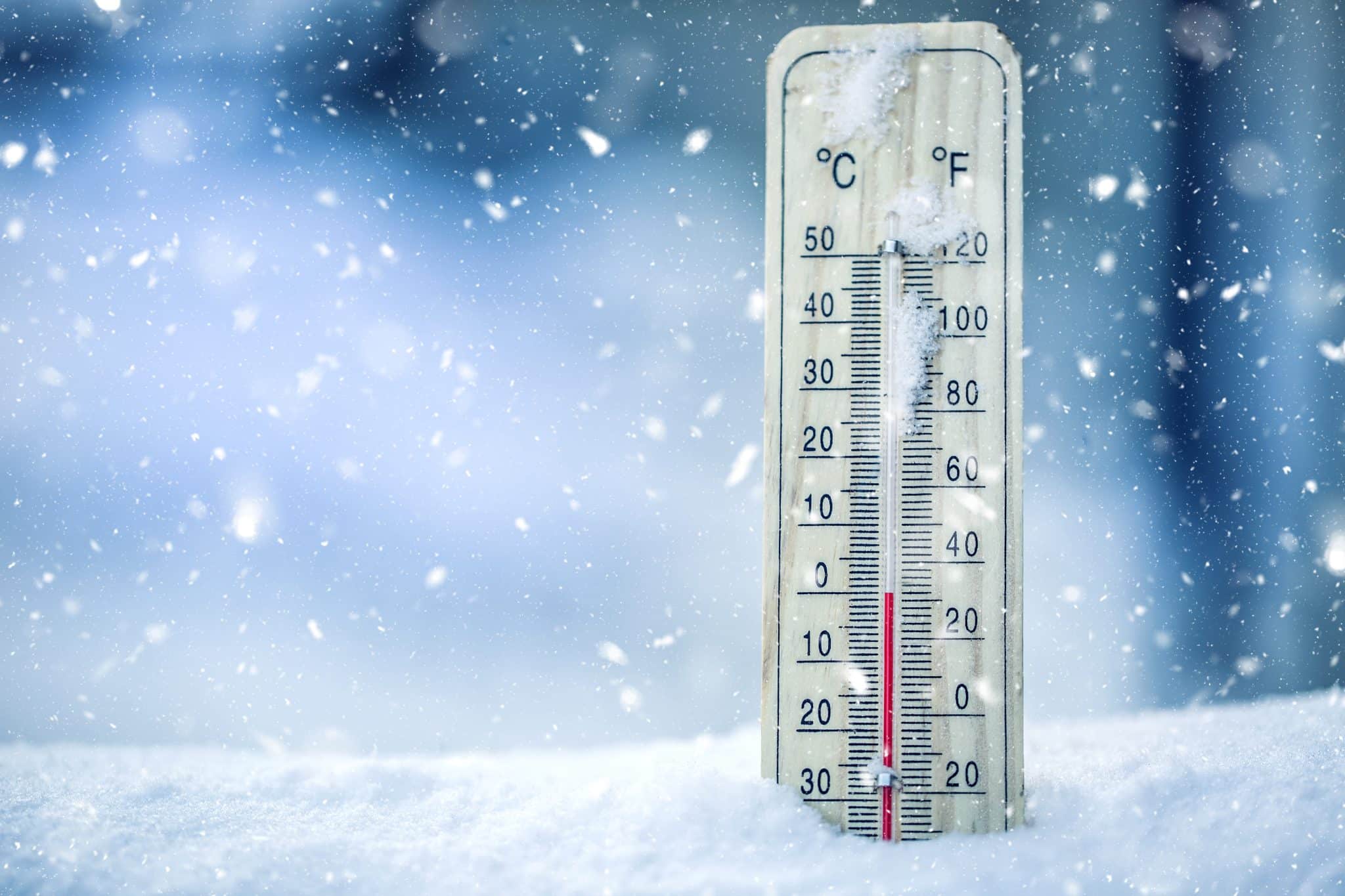
“Tuesday morning, we’re getting some of the coldest air that we’ve had in North Georgia in years. We’re going to see single-digit low temperatures,” said Lanxton, who spoke at a news briefing Friday afternoon. “That’s temperature with wind chill closer to zero or maybe negatives. So Tuesday morning is going to be brutal cold.”
That means any ice that happens to melt if the thermometer climbs above 32 degrees Monday will simply refreeze.
Two steps forward, one step back.
The wind is another factor. Lanxton said he expects it to blow steadily at 10-15 m.p.h., with gusts of up to 30 m.p.h.
That is more bad news for trees, especially if they are laden with ice.
The basic message: get ready. Insulate water pipes and turn off water to outdoor spigots, opening them to relieve any pressure that can build when water expands as it freezes.
That is just the start.
Josh Lamb, the director of the Georgia Emergency Management and Homeland Security Agency, said people in the affected area — metro Atlanta and northeast Georgia as far south as Augusta — should stock a few days’ supply of water and food and prepare a plan to get warm if the heating fails. State parks will have warming centers (find them at gastateparks.org\alerts) open starting at noon on Saturday, and so might some communities.
Stay informed by keeping external batteries charged so smartphones can operate over an extended period. Fuel up the car and load it with emergency supplies, including an ice scraper, though Lamb discouraged driving anywhere, with state Department of Transportation crews scheduled to pre-treat interstates around midnight Friday.
Have a backup communication plan for family members who may not be home when the weather hits.
“We all believe it’s not going to happen to us until it until it does,” Lamb said. “I would just tell everybody that this storm is significant enough, you need to be taking the proper preparations now and not wait until later because you may not have that opportunity.”
The state will open its emergency operations center at 7 a.m. Saturday.
Georgia Power has readied 10,000 personnel, recruiting contractors and utilities in Florida and other states.
When conditions are safe, the company said in a statement Friday, crews will work around the clock to restore power: “The company continues to encourage customers to be prepared to be without power should Winter Storm Fern cause extensive damage or make conditions difficult for power restoration – impassable or icy roads prolong outages following an ice storm.”
Delta Air Lines, meanwhile, is warning hopeful travelers to expect a bumpy ride. The Atlanta-based carrier cancelled flights in Arkansas, Louisiana, Oklahoma, Tennessee and Texas on Thursday. On Friday, the airline said to expect more cancellations in North Carolina, Ohio and Tennessee and said it was expecting more schedule “adjustments” for Atlanta and the northeast on Saturday morning.

ON SNOWPOCALYPSE:
“Like most metro Atlanta residents at the time, I dismissed the warnings and scoffed at the meteorologists who cried “snow” at the drop of a thermometer. After all, in Atlanta, snow forecasts are as reliable as Hollywood marriages. The reflexive grocery stampedes for bread, milk, and eggs seemed like a seasonal ritual more for omelet enthusiasts than survivalists.”