
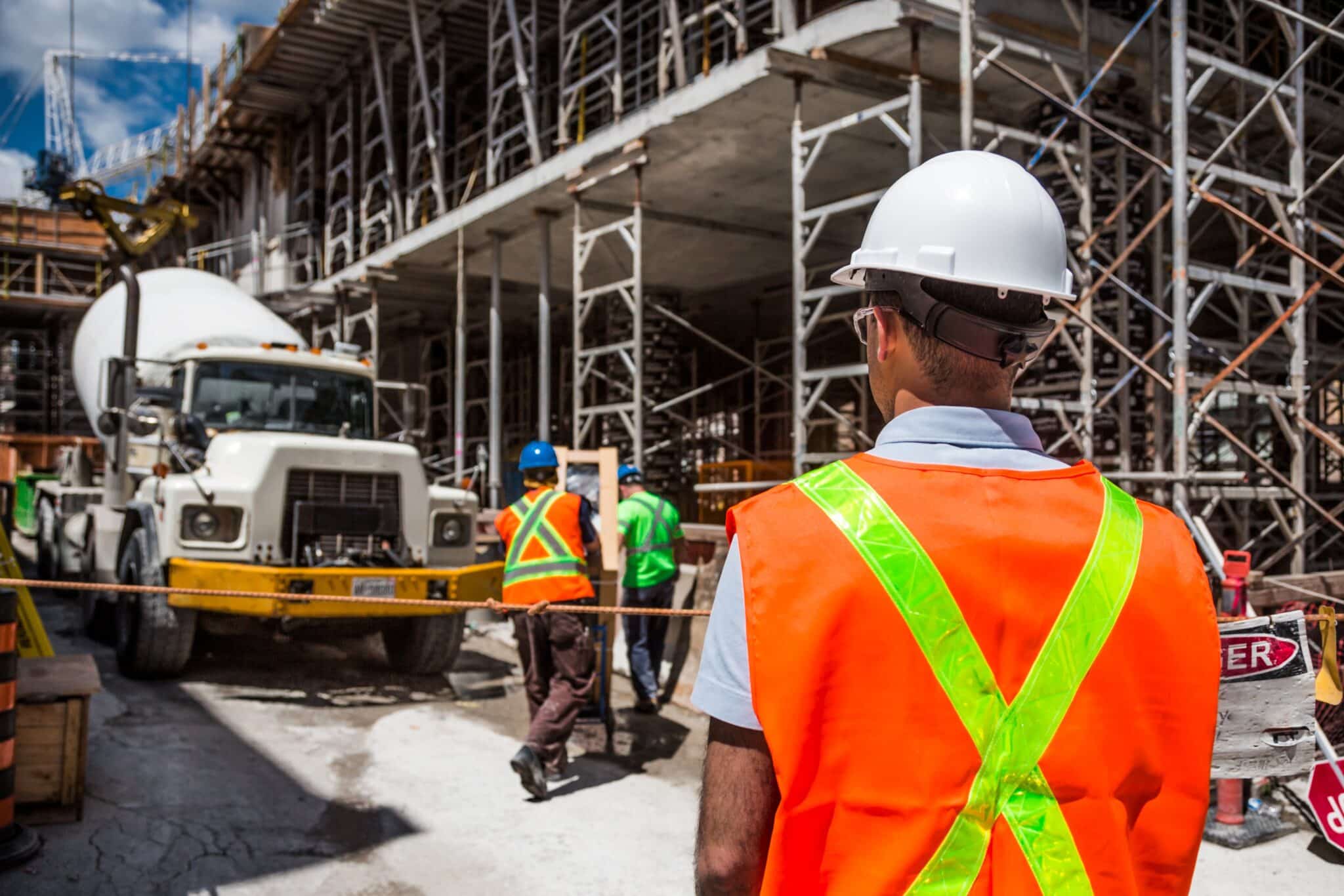
Whether it’s a large commercial development, a residential renovation, or an infrastructure project, the smallest components often have the biggest impact. Fasteners may not be the most visible part of a build, but they play a critical role in ensuring strength, stability, and long-term performance. As construction standards continue to evolve, contractors and builders are placing greater emphasis on sourcing reliable hardware that meets demanding project requirements.
The Foundation of Safe and Reliable Builds
Every construction project depends on thousands of individual connections. From structural framing and roofing systems to mechanical installations and exterior cladding, fasteners are responsible for holding essential components together.
Selecting the correct fastener is about much more than size. Material, corrosion resistance, tensile strength, and environmental conditions all influence long-term performance. A fastener that performs well indoors may not be suitable for outdoor or coastal applications, where moisture and temperature fluctuations create additional challenges.
Professionals who source high-quality fastening solutions for construction and industrial projects often benefit from access to a wider selection of specialized products designed for different building environments.
Choosing the Right Materials for the Job
Construction materials continue to diversify, creating new demands for fastening systems. Wood, steel, aluminum, concrete, and composite materials each require different fastening solutions to achieve optimal performance.
Stainless steel fasteners, for example, are widely used in environments where corrosion resistance is essential, while coated fasteners provide additional protection for exterior applications. Understanding these differences helps builders reduce maintenance costs while improving the lifespan of the finished structure.
Industry organizations such as the American Institute of Steel Construction regularly publish technical guidance and best practices that help professionals select appropriate materials for structural applications.
Supply Chain Reliability Has Become a Competitive Advantage
Over the past few years, contractors have experienced firsthand how supply chain disruptions can delay projects and increase costs. Reliable suppliers have therefore become increasingly valuable, particularly for companies managing multiple projects simultaneously.
Having consistent access to fasteners, anchors, screws, bolts, and related hardware helps construction teams maintain schedules and avoid costly interruptions. This is particularly important for commercial developments where project timelines directly affect budgets and occupancy dates.
Businesses throughout Georgia continue to benefit from ongoing investment in construction and infrastructure. Coverage of regional business and development trends can often be found through construction and business news from across Georgia, highlighting the continued demand for dependable building materials.
Innovation Is Improving Construction Efficiency
Modern fastening technology has advanced considerably over the past decade. Manufacturers continue developing products that improve installation speed while increasing load capacity and durability.
Specialized fasteners now offer better resistance to vibration, weather exposure, and chemical corrosion. Many products are also engineered to simplify installation, helping contractors reduce labor time without sacrificing performance.
These innovations contribute to safer worksites, higher-quality construction, and more efficient project delivery.
Building With Confidence
Construction projects succeed when every component performs as expected. While fasteners may represent only a small percentage of a project’s overall cost, their importance cannot be overstated. Poor-quality hardware can compromise structural integrity, increase maintenance requirements, and create unnecessary delays.
By selecting appropriate fastening solutions from trusted suppliers, builders can improve reliability, support long-term durability, and maintain confidence throughout every stage of construction.
As demand for residential, commercial, and infrastructure projects continues to grow across the United States, investing in quality materials remains one of the smartest decisions any contractor or project manager can make.