
Farmland across the U.S. is disappearing by the millions of acres each decade by some estimates as sprawling urban development driven by rising housing costs pushes further into rural pastures.
The farmland that still exists in the U.S. is heavily dedicated to growing plants that Americans can’t consume—grass. That grass, accounting for more than 300 million acres now, feeds our livestock, provides sod for new development, and serves as a cover crop to protect soil health between harvests.
Demand for major crops like corn and soybeans to feed Americans is only forecast by the USDA to grow in the coming decade, and demand for U.S. agricultural exports is expected to grow similarly.
The COVID-19 pandemic dramatically changed the way people purchased and consumed food, placing renewed attention on an increasingly consolidated agricultural industry where family farms have been swallowed up by large food corporations.
And after shifting behaviors caused massive economic swings in the U.S. and elsewhere, the Russian invasion of Ukraine forced food producers to once again account for yet another shock with so much of the world’s grain capital taken offline by warfare.
War and corporate interests aside, farms have also had to reckon with a changing climate. Wheat fields were once commonplace across the country, but drought conditions of late have caused farmers to give up growing the crop entirely. Agitated by climate change, the shortage of water in parts of the country coupled with higher interest rates and the ongoing war in Ukraine are making agricultural businesses harder to run profitably.
To illustrate where American farms still persevere, Stacker compiled a list of counties with the most farmland in Georgia using data from the Agriculture Department’s Farm Service Agency. Farmers reported the data as mandated by participation in USDA income support programs, including Agriculture Risk Coverage and Price Loss Coverage as well as loan assistance. Counties are ranked by total acres of farmland.
In Georgia, there are 8,549,170 acres of farmland, with common soybeans being the most common crop.
Roberto Galan // Shutterstock
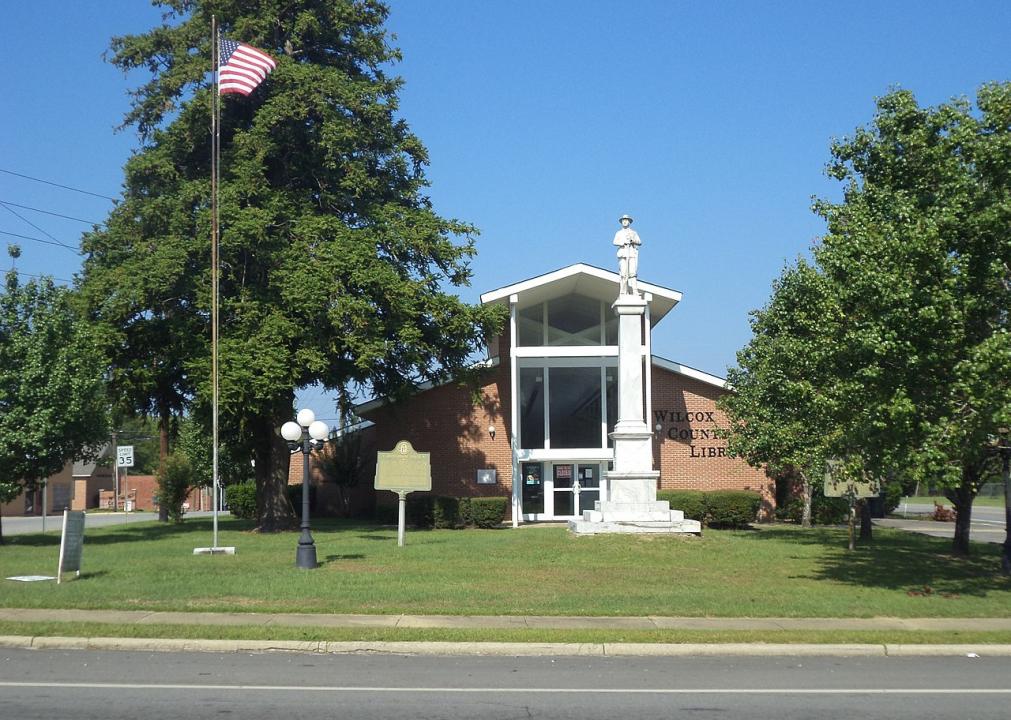
#25. Wilcox
– Farmland: 74,524 acres (1.5% of state total)
– Farms: 697
– Most common crop: Cotton upland (19,363 acres, 26.0% of county farmland)
Roberto Galan // Shutterstock
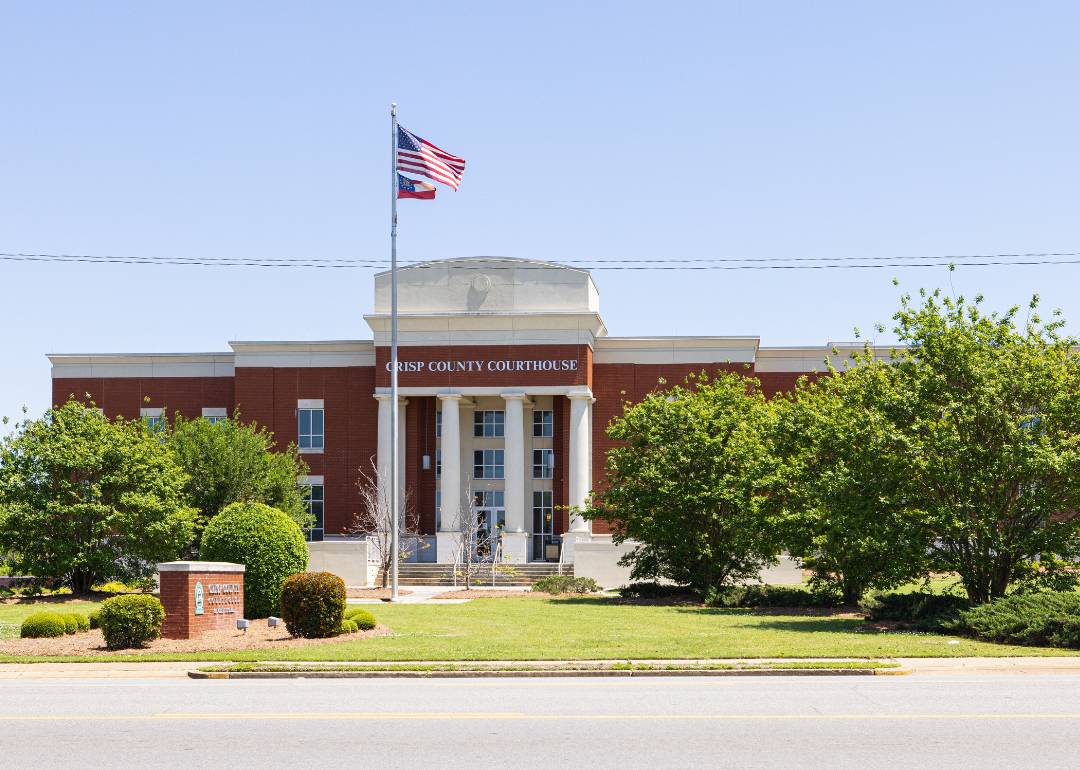
#24. Crisp
– Farmland: 77,882 acres (1.5% of state total)
– Farms: 632
– Most common crop: Cotton upland (17,239 acres, 22.1% of county farmland)
Canva
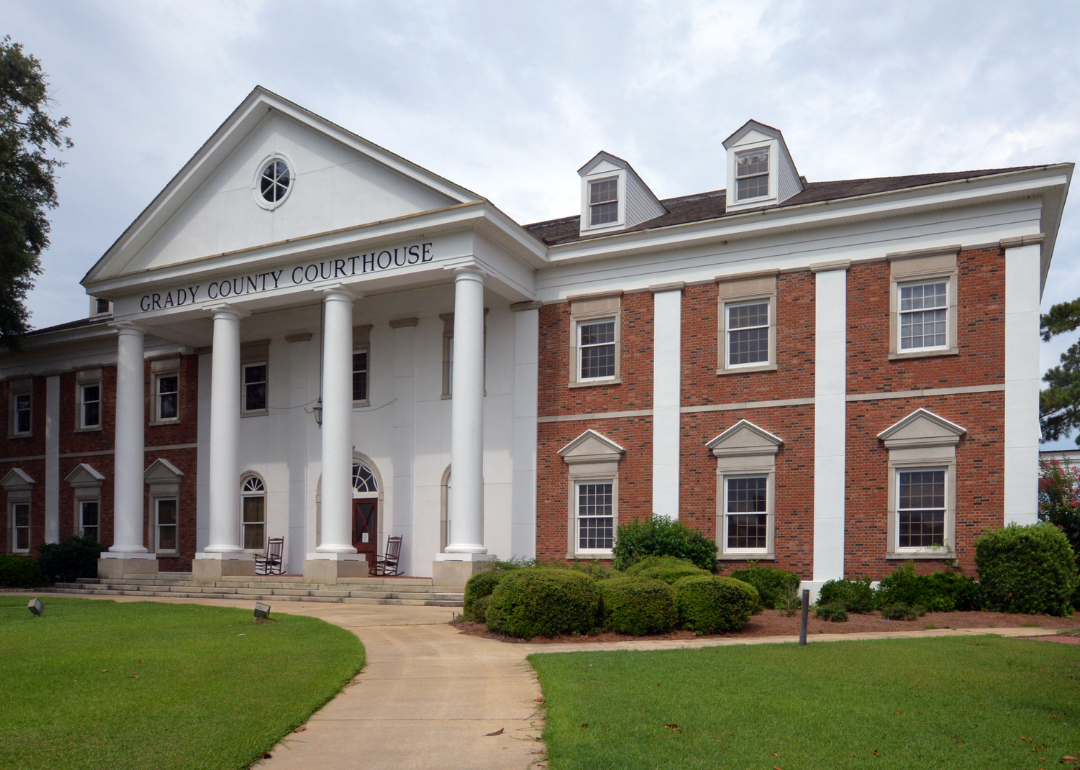
#23. Grady
– Farmland: 81,802 acres (1.6% of state total)
– Farms: 951
– Most common crop: Cotton upland (14,891 acres, 18.2% of county farmland)
Roberto Galan // Shutterstock
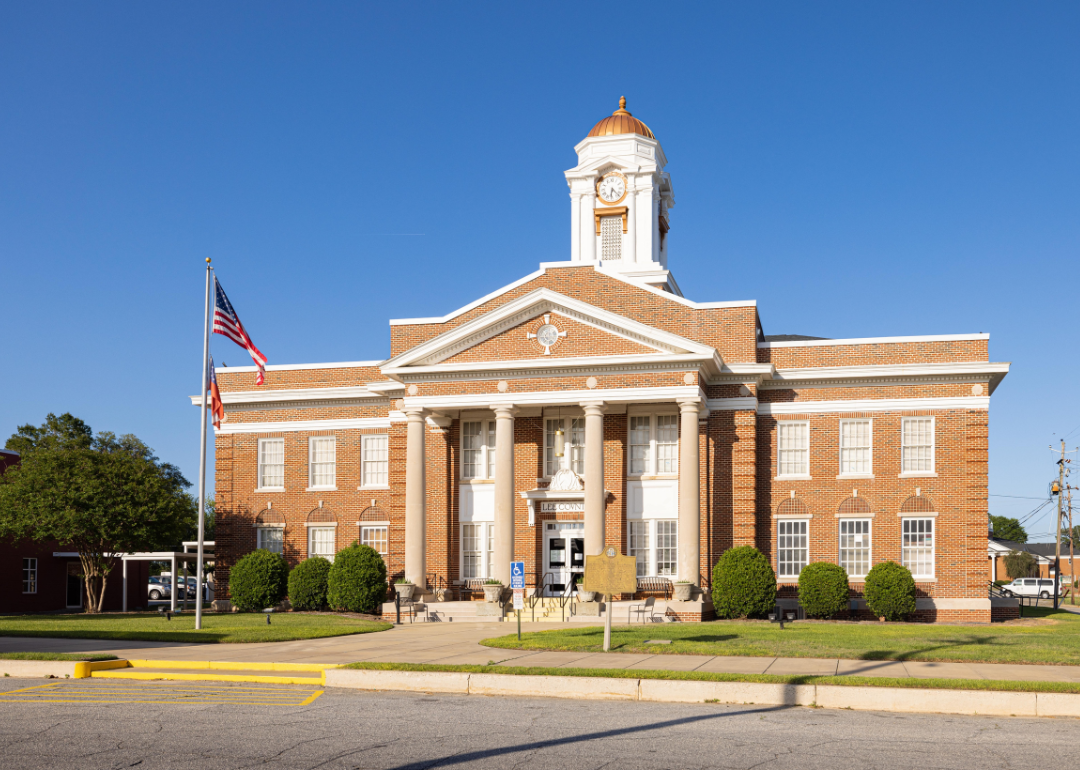
#22. Lee
– Farmland: 83,298 acres (1.7% of state total)
– Farms: 369
– Most common crop: Improved pecans (16,339 acres, 19.6% of county farmland)
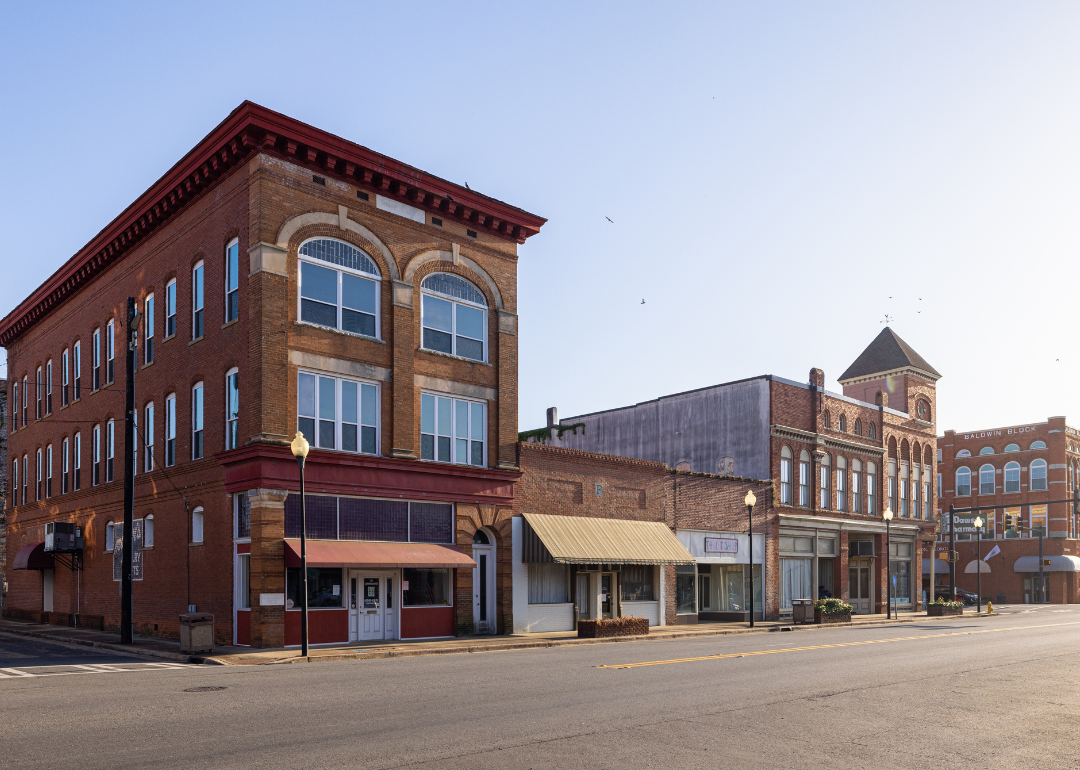
Roberto Galan // Shutterstock
#21. Terrell
– Farmland: 85,927 acres (1.7% of state total)
– Farms: 600
– Most common crop: Cotton upland (14,726 acres, 17.1% of county farmland)
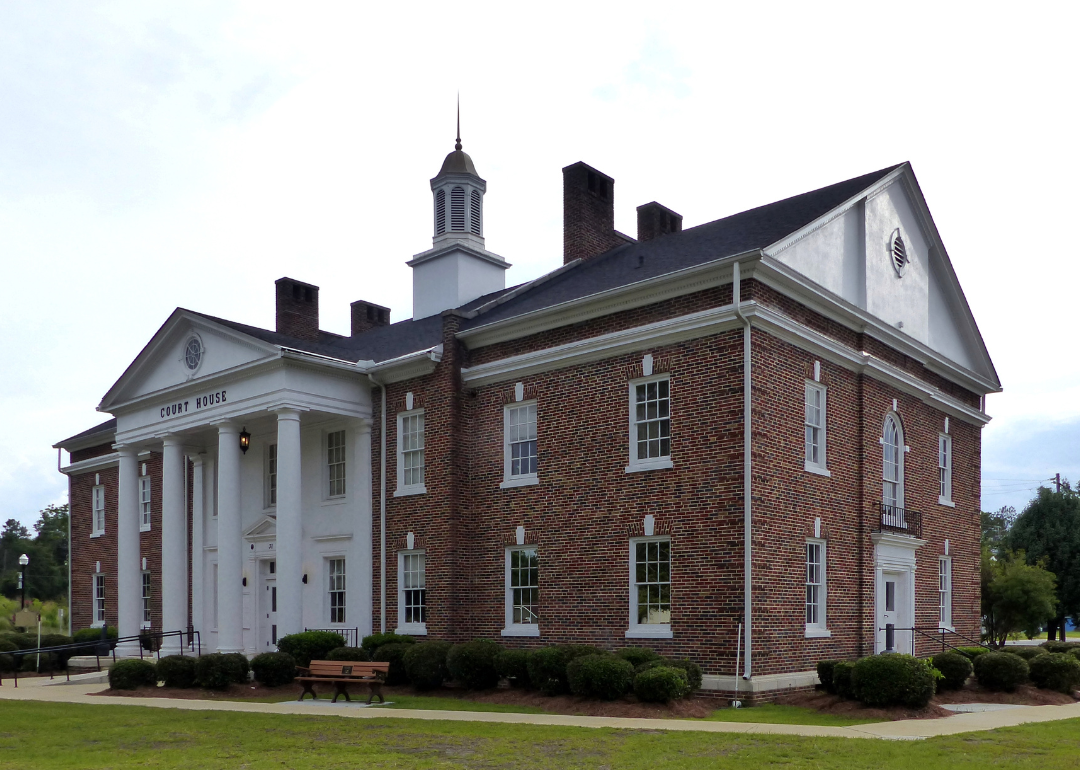
Canva
#20. Calhoun
– Farmland: 86,978 acres (1.7% of state total)
– Farms: 329
– Most common crop: Runner peanuts (12,861 acres, 14.8% of county farmland)
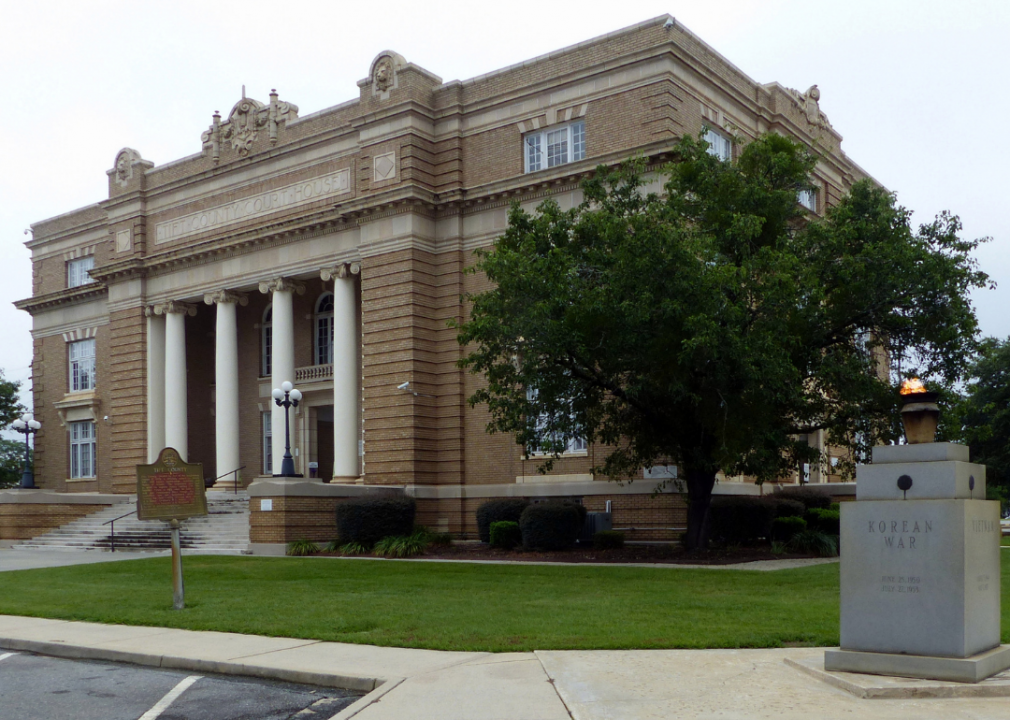
Canva
#19. Tift
– Farmland: 87,825 acres (1.7% of state total)
– Farms: 648
– Most common crop: Cotton upland (15,539 acres, 17.7% of county farmland)
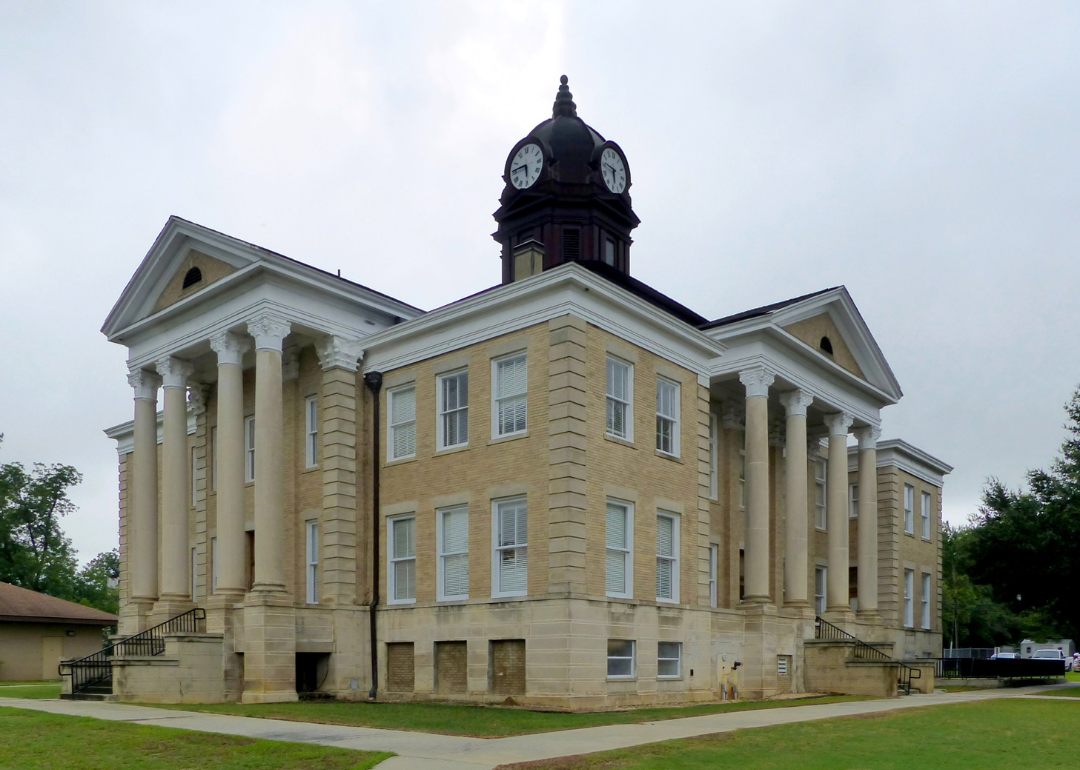
Canva
#18. Irwin
– Farmland: 91,536 acres (1.8% of state total)
– Farms: 825
– Most common crop: Runner peanuts (16,281 acres, 17.8% of county farmland)
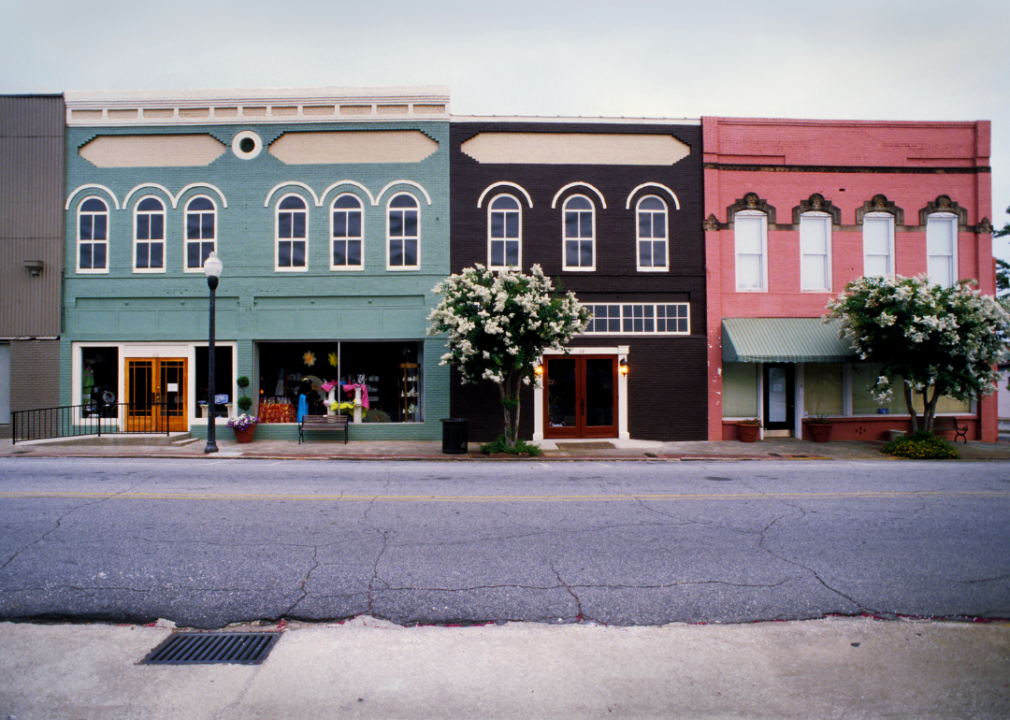
Canva
#17. Sumter
– Farmland: 94,070 acres (1.9% of state total)
– Farms: 582
– Most common crop: Cotton upland (12,146 acres, 12.9% of county farmland)
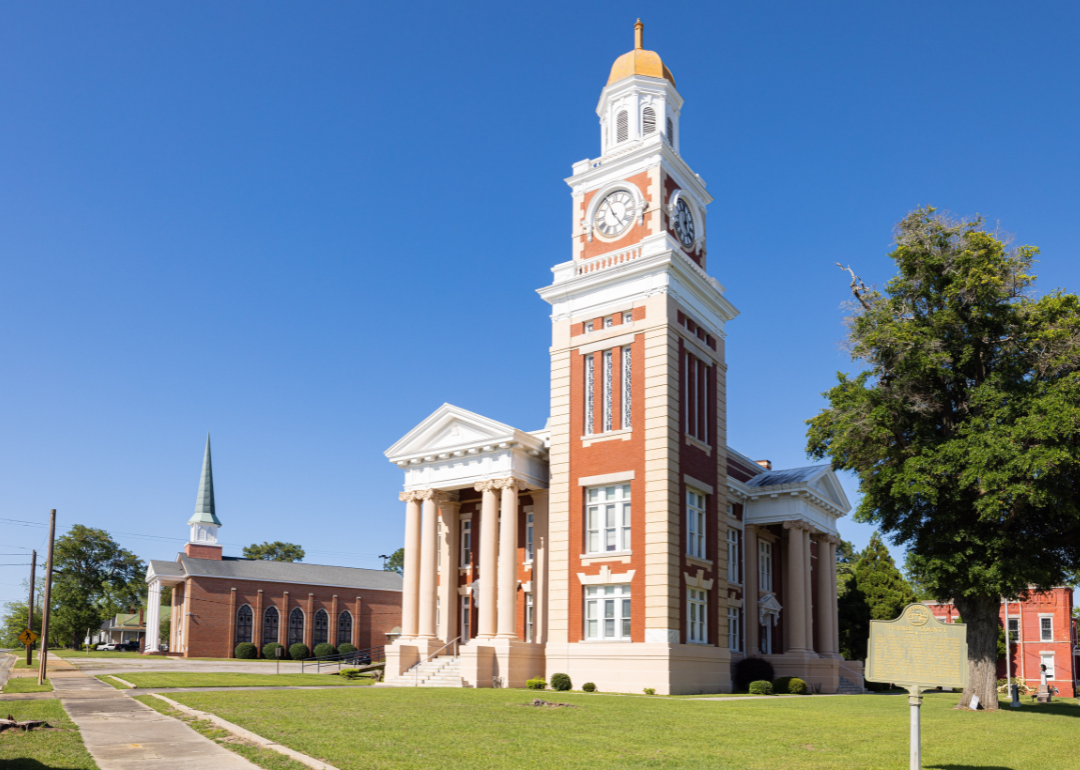
Roberto Galan // Shutterstock
#16. Turner
– Farmland: 94,304 acres (1.9% of state total)
– Farms: 631
– Most common crop: Cotton upland (16,419 acres, 17.4% of county farmland)
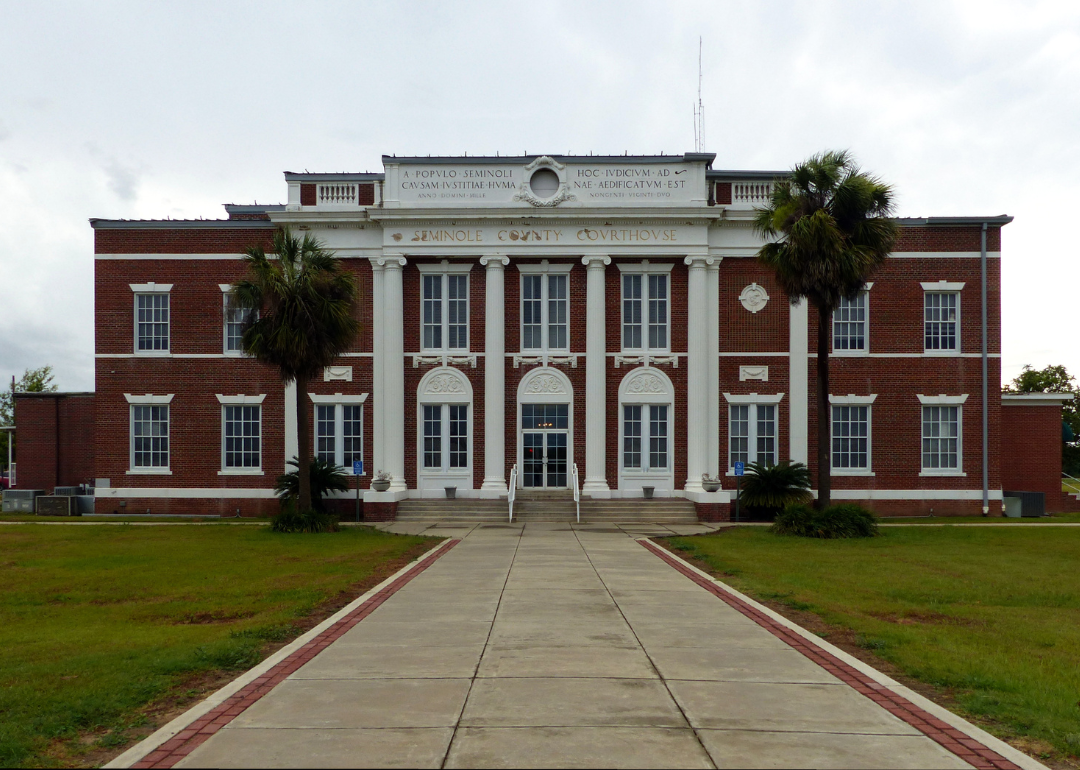
Canva
#15. Seminole
– Farmland: 96,774 acres (1.9% of state total)
– Farms: 472
– Most common crop: Cotton upland (21,173 acres, 21.9% of county farmland)

Canva
#14. Thomas
– Farmland: 97,353 acres (1.9% of state total)
– Farms: 789
– Most common crop: Cotton upland (21,301 acres, 21.9% of county farmland)
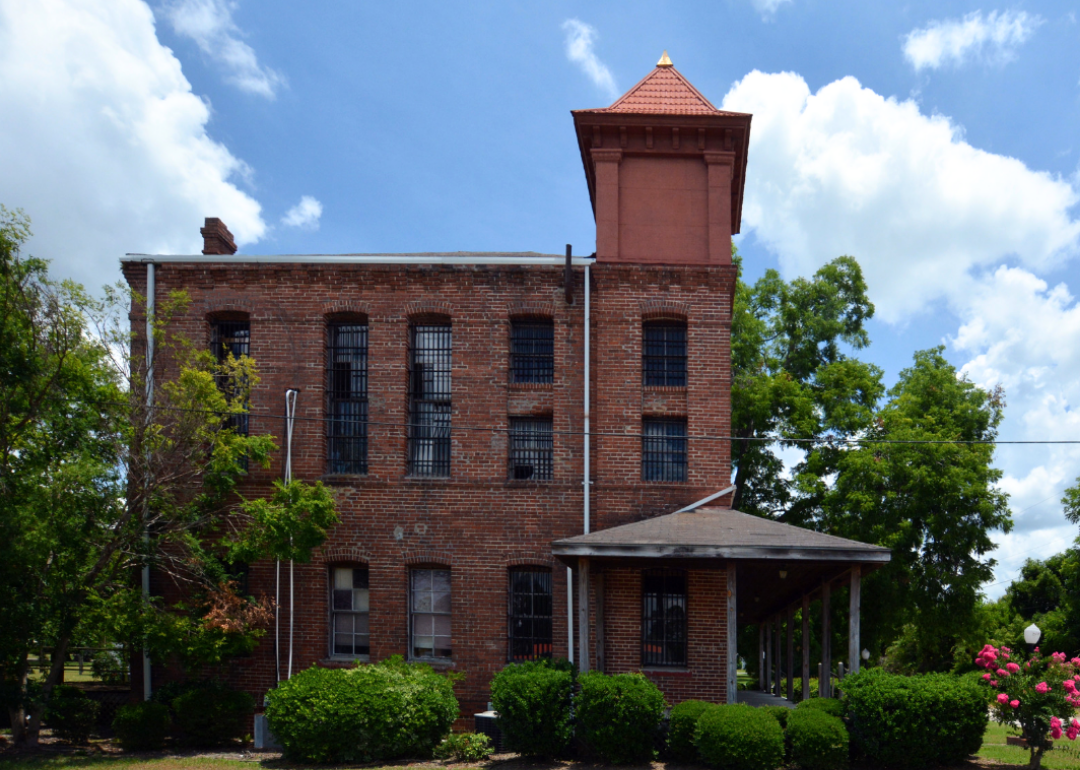
Canva
#13. Berrien
– Farmland: 98,362 acres (2.0% of state total)
– Farms: 1,013
– Most common crop: Cotton upland (16,182 acres, 16.5% of county farmland)
Roberto Galan // Shutterstock
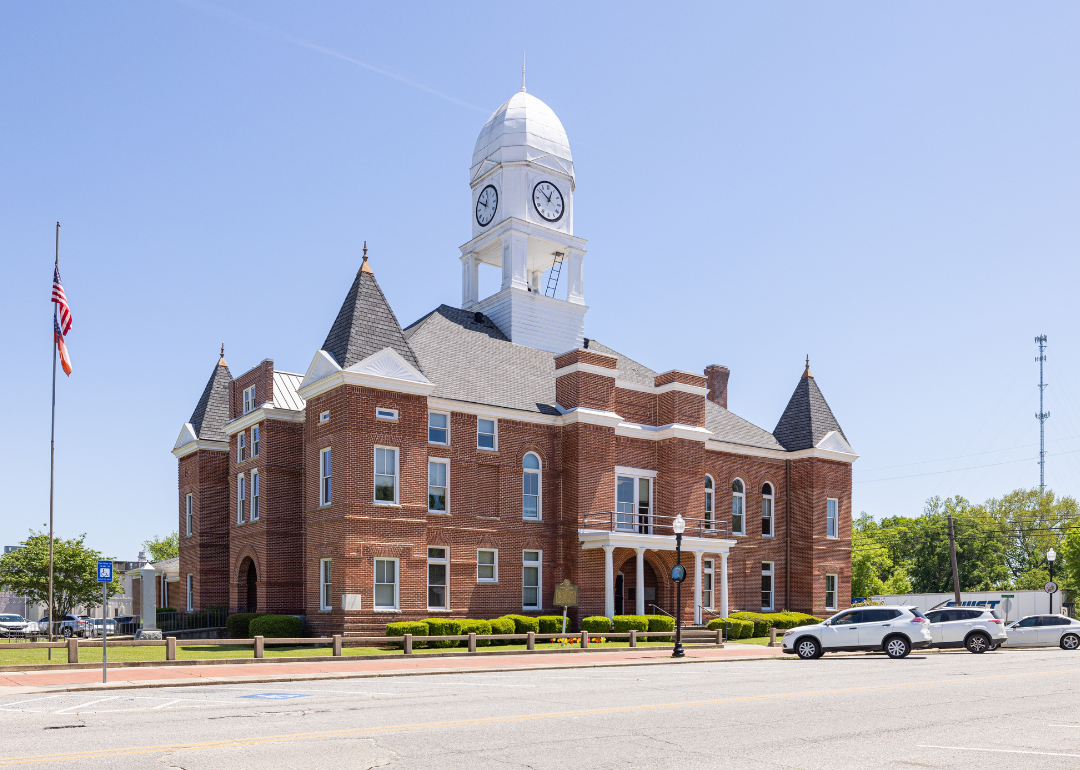
#12. Macon
– Farmland: 99,066 acres (2.0% of state total)
– Farms: 702
– Most common crop: Cotton upland (9,635 acres, 9.7% of county farmland)

Canva
#11. Miller
– Farmland: 100,434 acres (2.0% of state total)
– Farms: 555
– Most common crop: Runner peanuts (20,562 acres, 20.5% of county farmland)

Canva
#10. Bulloch
– Farmland: 112,787 acres (2.2% of state total)
– Farms: 1,345
– Most common crop: Cotton upland (34,653 acres, 30.7% of county farmland)
Canva
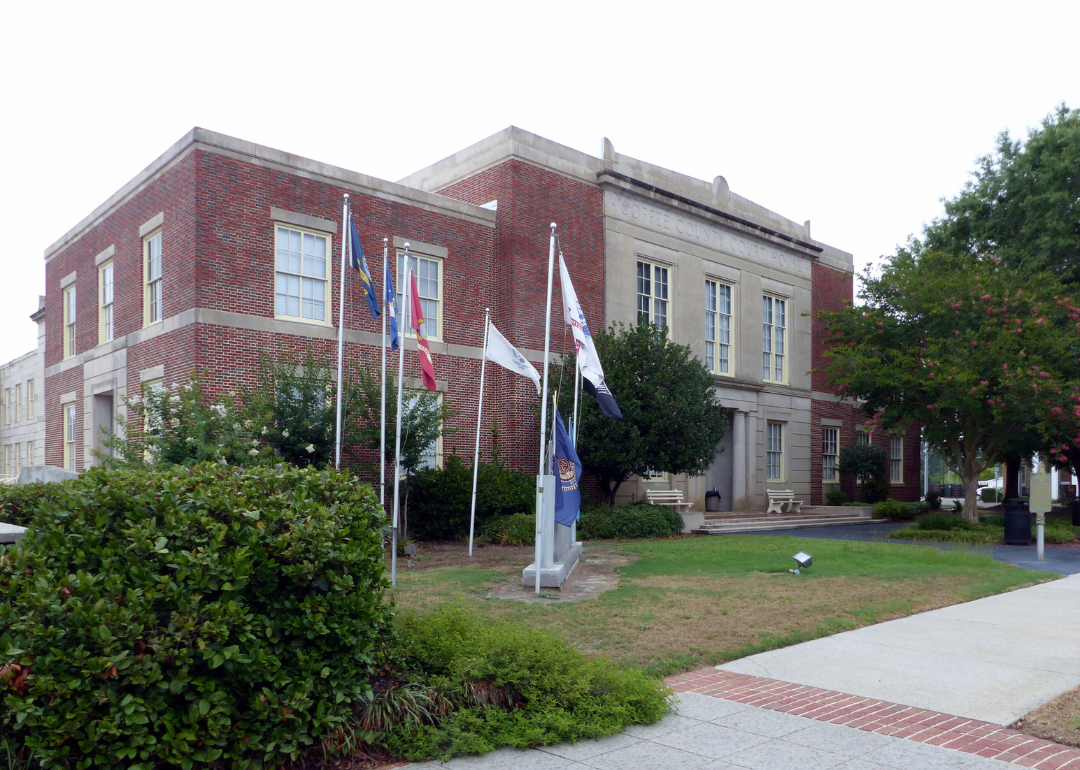
#9. Coffee
– Farmland: 114,830 acres (2.3% of state total)
– Farms: 1,030
– Most common crop: Cotton upland (21,169 acres, 18.4% of county farmland)
Billy F Blume Jr // Shutterstock
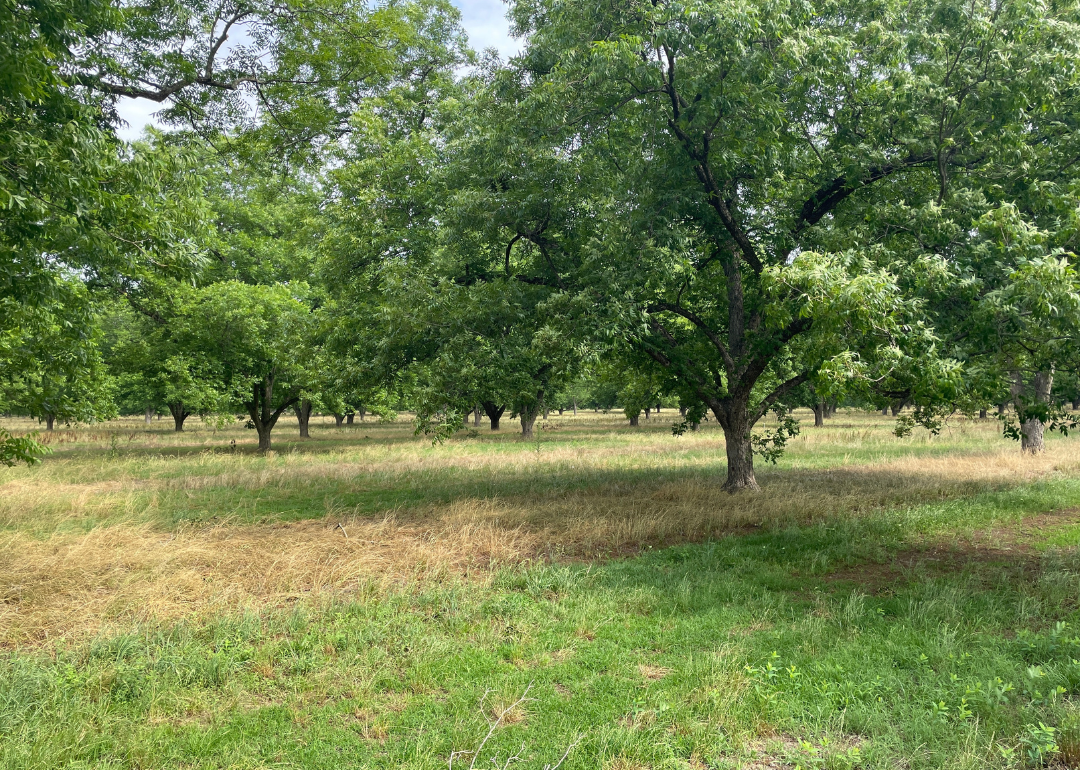
#8. Burke
– Farmland: 116,072 acres (2.3% of state total)
– Farms: 748
– Most common crop: Cotton upland (16,739 acres, 14.4% of county farmland)
Canva
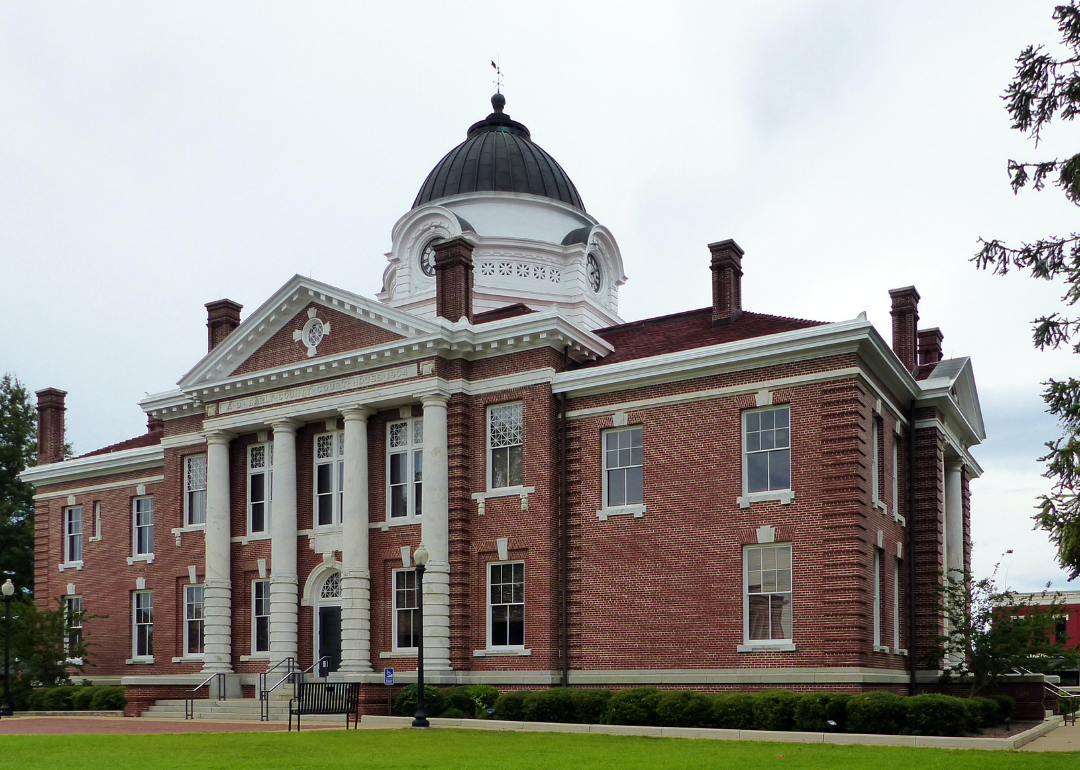
#7. Early
– Farmland: 124,489 acres (2.5% of state total)
– Farms: 857
– Most common crop: Cotton upland (21,180 acres, 17.0% of county farmland)
Canva
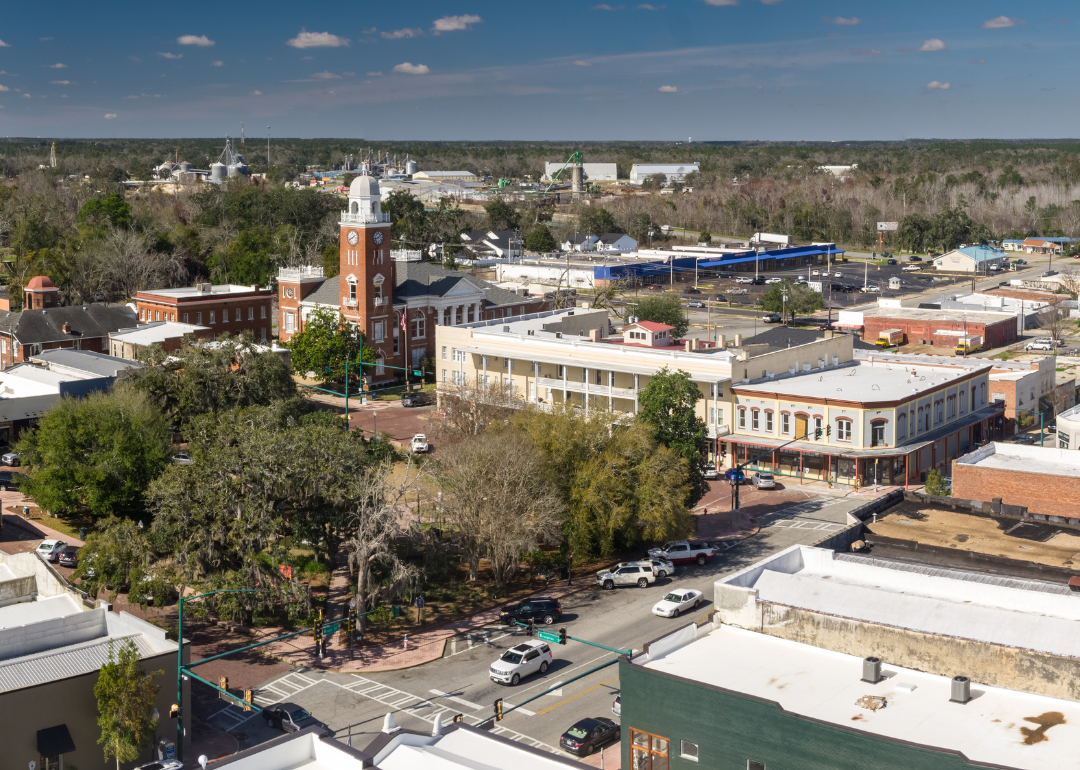
#6. Decatur
– Farmland: 140,018 acres (2.8% of state total)
– Farms: 740
– Most common crop: Cotton upland (28,638 acres, 20.5% of county farmland)

Nick Fox // Shutterstock
#5. Brooks
– Farmland: 150,037 acres (3.0% of state total)
– Farms: 1,034
– Most common crop: Cereals and other grasses cover crop (29,208 acres, 19.5% of county farmland)

Canva
#4. Worth
– Farmland: 165,463 acres (3.3% of state total)
– Farms: 1,008
– Most common crop: Cotton upland (32,471 acres, 19.6% of county farmland)
Canva
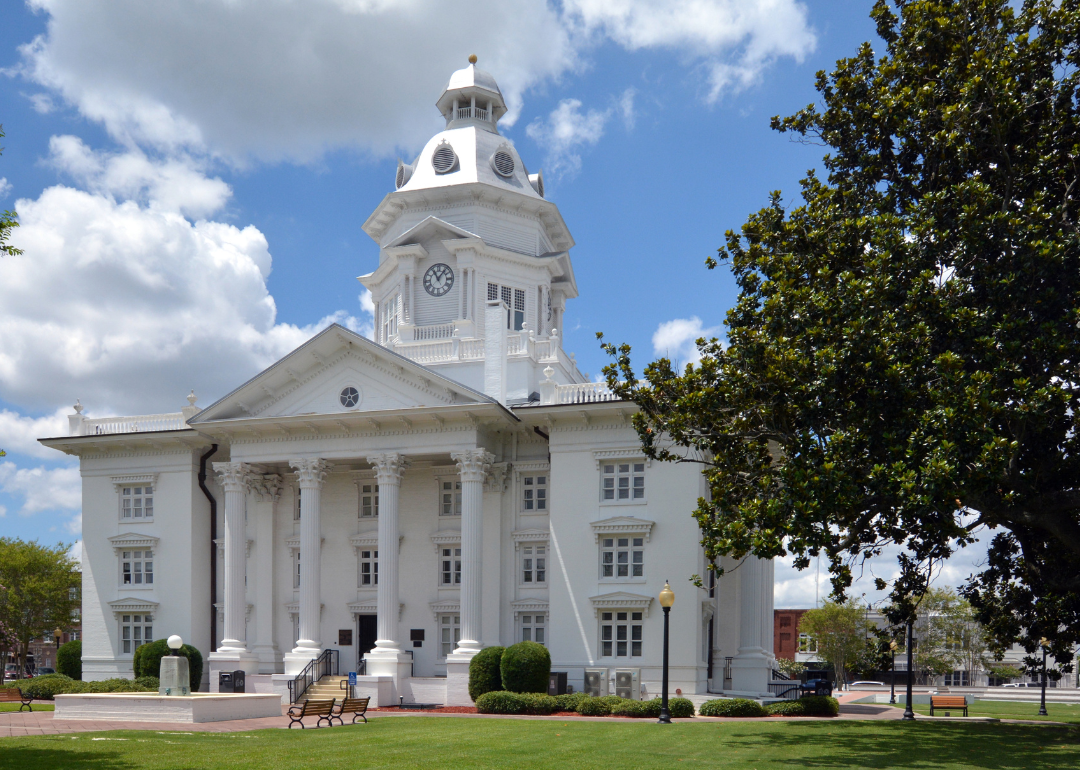
#3. Colquitt
– Farmland: 183,070 acres (3.6% of state total)
– Farms: 1,470
– Most common crop: Cotton upland (30,104 acres, 16.4% of county farmland)
Canva
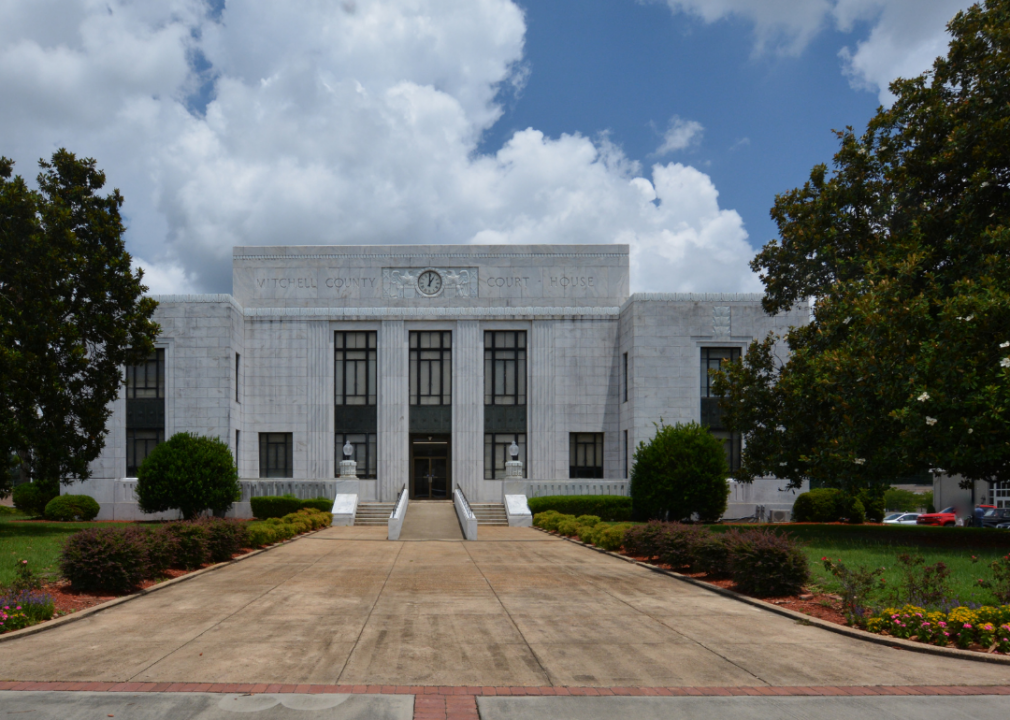
#2. Mitchell
– Farmland: 191,307 acres (3.8% of state total)
– Farms: 1,004
– Most common crop: Cotton upland (40,394 acres, 21.1% of county farmland)
Roberto Galan // Shutterstock
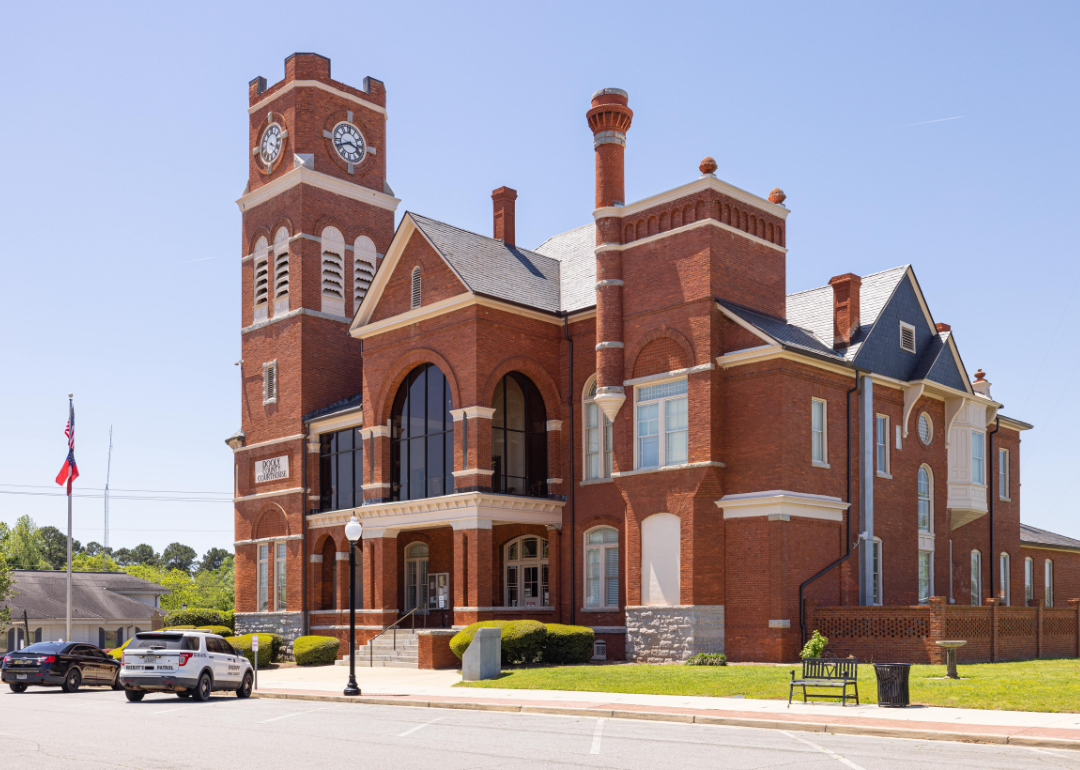
#1. Dooly
– Farmland: 208,576 acres (4.1% of state total)
– Farms: 1,076
– Most common crop: Cereals and other grasses cover crop (57,756 acres, 27.7% of county farmland)