
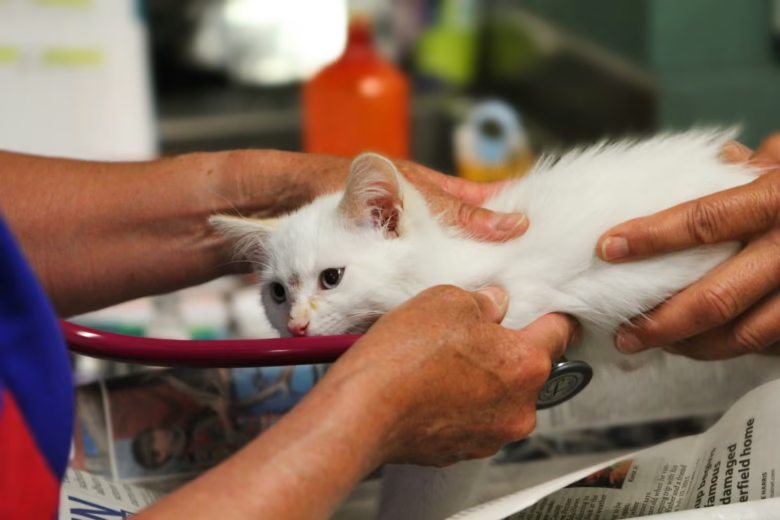
Acting quickly and choosing the right type of veterinary care when your pet shows signs of sudden illness or injury can make a critical difference. This article explains how to distinguish between urgent and emergency services, highlights the symptoms that indicate each level, and details what steps pet owners can take to ensure their dog or cat receives the best possible support, even during after-hours situations.
Pet owners frequently face uncertainty when a health concern arises, especially outside of typical clinic hours. Knowing whether your companion needs urgent care or should be seen by an emergency vet in Cumming, GA ensures timely and appropriate treatment, minimizing stress and facilitating better outcomes. Understanding the difference helps you act decisively if your pet displays worrying symptoms in the evenings, on weekends, or over holidays.
Differentiating urgent care from emergency care for pets
Choosing between urgent and emergency care means assessing the severity and speed of symptom progression in your pet. Urgent care is suited for situations needing prompt but not immediate intervention, such as mild vomiting, ear infections, or small wounds that are not bleeding severely. Emergency care, on the other hand, is for life-threatening circumstances or cases of sudden rapid deterioration, like collapse, severe respiratory distress, repeated seizures, or substantial bleeding.
Being able to identify the services your pet needs saves valuable time and makes effective use of available resources. While both urgent and emergency veterinary clinics can address a range of conditions, emergencies require more intensive interventions and specialized equipment. As a result, pets with non-life-threatening conditions are best seen at urgent care clinics when possible, allowing emergency teams to focus on critical cases.
Key symptoms that signal urgent versus emergency attention
Examples of symptoms requiring urgent veterinary care in dogs and cats include mild diarrhea or vomiting that is not persistent, non-severe limping, sudden onset of skin irritation, mild allergic reactions, and minor injuries that are not worsening. If these symptoms do not rapidly escalate but do not resolve, timely urgent care can prevent complications.
In contrast, immediate emergency care is vital when symptoms include difficulty breathing, collapse or unresponsiveness, uncontrolled bleeding, sudden onset of continuous seizures, major trauma, severe pain, bloated abdomen, ingestion of toxins, or inability to stand or walk. Veterinary teams may triage cases upon arrival, prioritizing pets showing signs of imminent danger. When uncertain, always call a veterinarian to discuss symptoms and determine the safest next step.
How to prepare for a veterinary visit during urgent or emergency situations
Preparation plays an important role in getting your pet prompt care. Keep updated health records accessible, and monitor your pet’s usual behavior so you can communicate any changes. Develop basic first aid knowledge, such as checking gum color and breathing. If urgent or emergency care is required, stay calm, create a safe transport environment, note when symptoms began, and avoid administering treatments at home unless directed by a veterinarian. UrgentVet is here for after-hours veterinary urgent care for pets, because Your Pet Can’t Wait to Feel Better ®. UrgentVet provides an after-hours option that is not open 24/7, but offers care during late nights, weekends, and holidays as a lower-cost alternative to a traditional ER. It serves as an alternative to a 24/7 emergency vet when you need care quickly outside regular clinic hours.
Before leaving home, call the clinic to let them know you are on your way and describe your pet’s symptoms in detail. Prepare your pet safely in a carrier or on a sturdy leash, and gather any relevant information, such as exposure to toxins, recent medication, or changes in habits. On arrival, share this background with the veterinary staff—details about symptom timelines, eating or drinking behavior, and any observed pain help specialists triage your pet accurately. Accurate communications, along with support and resources from clinics like UrgentVet, allow you to provide the best care for your pet when time and clarity matter most.