
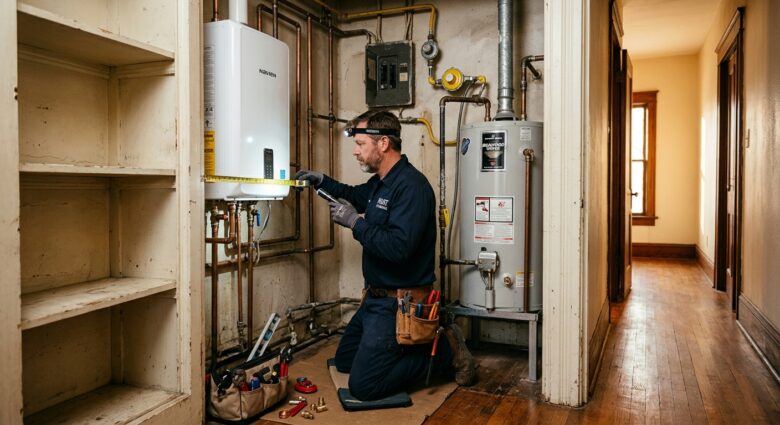
Owners of historic bungalows in Fort Worth often discover that modern comfort isn’t as simple as swapping out old fixtures. When a water heater reaches the end of its life, the decision between installing a tankless system or a traditional storage tank becomes more complicated than just comparing up-front costs. Century-old homes in Texas have quirks like limited crawlspaces, outdated pipe layouts, and preservation requirements that can influence which type of water heating system will serve the property best. For many, the right choice hinges on how well the new equipment fits both the vintage architecture and the daily needs of the household—and how a skilled plumber can adapt each system to the realities of an older home.
Fort Worth Historic Bungalow Plumbing Challenges
Many historic bungalows in Fort Worth were built before the arrival of modern plumbing codes. Original pipe materials, such as galvanized steel or even lead, are still found in some homes, complicating any upgrade. Limited access points—like small basements or crawlspaces—make large equipment installations a logistical puzzle. Preservation rules for certain neighborhoods may limit how much visible alteration can occur to exterior walls or visible utility runs.
One practical detail: replacing a water heater in a confined utility closet might require removing door frames or cutting away sections of wall, especially if the home has not been previously updated to accommodate larger tanks. These challenges increase the importance of careful pre-installation planning when considering any water heater installation Fort Worth residents may request. Understanding historic plumbing modifications can help determine what’s feasible without damaging the building’s character.
Older electrical panels and limited gas line sizes are also common. These infrastructure constraints can limit the options for tankless models, which often require increased gas or electrical supply compared to older tank heaters. Local plumbers must evaluate these factors before recommending a specific water heating system.
Traditional Storage Tank Water Heaters in Older Homes
Traditional storage tank water heaters are often the default choice for older homes because their installation requires less retrofitting. Most historic bungalows already have a spot for a tank unit, and the necessary gas or electrical connections are usually present. A key detail: standard tank models are available in compact sizes that can fit in tight utility closets, minimizing the need for structural changes.
However, storage tanks are heavy and bulky. Getting them in and out of small spaces can be a challenge, especially when narrow hallways or steep staircases are involved. Older water heaters may have used venting methods no longer allowed by code, so upgrading to a new tank model may also mean updating the exhaust system to meet current safety standards. Reviewing current water heater venting requirements ensures safe installation in historic properties.
Another consideration is standby heat loss: tanks keep water hot at all times, which can increase energy use in homes with less insulation or drafty spaces. For homeowners who value authenticity or want to avoid major changes, however, a modern tank-style unit remains a practical solution.
Tankless Water Heater Installation in Fort Worth
Tankless water heaters, sometimes called on-demand water heaters, are gaining popularity because they heat water only when needed and take up less space. For historic bungalows in Fort Worth, one major advantage is that these units can be wall-mounted—even tucked into small closets or mounted on exterior walls, reducing the need for interior modifications.
However, installing a tankless system in an older home often requires upgrading both the gas line and the electrical supply, since these units need more power during operation. In some cases, the home’s main service panel or gas meter may need to be replaced or augmented. This extra work can increase costs and complexity compared to a standard tank replacement. For homeowners interested in water heater installation Fort Worth professionals can evaluate whether the existing utilities can support a tankless system without major upgrades.
Another important factor is water pressure and flow rate. Tankless units have minimum flow requirements, and old galvanized pipes can sometimes restrict water flow below the threshold needed for proper operation. Testing water flow before installation is a smart step for any plumber working with historic plumbing systems.
Choosing the Right Water Heater for Historic Properties
When deciding between tankless and traditional tank water heaters for a historic bungalow, the choice often comes down to how much retrofitting the home can tolerate and what the homeowner values most. If structural changes must be minimized and the existing infrastructure is limited, a compact tank-style water heater may be the most straightforward solution. On the other hand, if energy efficiency and space savings are top priorities—and upgrades to gas or electrical service are feasible—a tankless system can be a great fit.
In Fort Worth’s preservation districts, homeowners may need to secure permits or approvals before altering visible exterior features, such as vent pipes or wall-mounted equipment. Consulting with a Plumber in Fort Worth who understands both modern systems and the sensitivities of historic homes ensures that installation meets both code and preservation guidelines. This approach helps homeowners avoid costly mistakes and protects the character of their property.
Every historic bungalow is unique, and the best water heater solution takes into account the specific layout, existing utilities, and the homeowner’s long-term goals. Weighing these factors with the help of an experienced local professional is the best path forward.
Conclusion
Start by having a trusted plumber assess your home’s existing utilities, available space, and any preservation restrictions. By evaluating these factors early, you can confidently choose a water heater solution that preserves your bungalow’s charm while delivering reliable hot water for years to come.